 trailers.fm
trailers.fm / Guide / Documentary + 2010s + Japanese
Japanese documentary films from the 2010s
The best 100 of 124
- 1
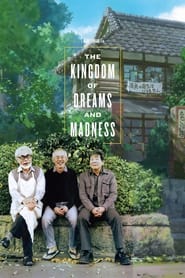
The Kingdom of Dreams and Madness
Follows the behind-the-scenes work of Studio Ghibli, focusing on the notable figures Hayao Miyazaki, Isao Takahata, and Toshio Suzuki.
- 2
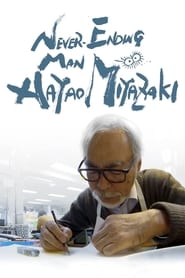
Never-Ending Man: Hayao Miyazaki
A look at legendary Japanese animator Hayao Miyazaki following his retirement in 2013.
- 3

Ryuichi Sakamoto: CODA
Oscar-winning composer Ryuichi Sakamoto weaves man-made and natural sounds together in his works. His anti-nuclear activism grew after the 2011 Fukushima disaster, and his career only paused after a 2014 cancer diagnosis.
- 4

Life is Fruity
90-year-old architect Shuichi Tsubata and his 87-year-old wife Hideko live in Aichi Prefecture. Their garden is bursting with 70 types of vegetables and 50 types of fruits, and they live in harmony with nature.
- 5

Tsukiji Wonderland
Through the lives of professionals working at Tsukiji Fish Market in Tokyo, the film portrays how Tsukiji has been the center of fish culinary culture and helped Japanese food culture to flourish as we know it today.
- 6

SCANDAL Documentary film HELLO WORLD
The documentary film follows the group as they perform in countries across Europe, North America and Asia. It includes live and behind-the-scenes footage of their sold-out performances at the O2 Academy Islington in London, Le Bataclan in Paris and House of Blues in Los Angeles among others, bringing audiences closer to HARUNA, MAMI, TOMOMI, and RINA of SCANDAL like never before.
- 7
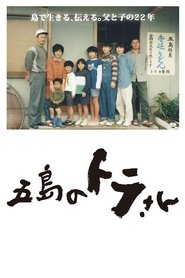
Tora-san of Goto
This documentary film follows for 22 years a nine-member family involved in the manufacturing of Udon in the Goto Islands, Nagasaki prefecture. Mr. Toru Inuzuka called by nickname "Tora-san" is making famous 'Goto Udon' and natural salt on the island on which the depopulation is progressing. Seven children get up at 5 o'clock every morning, helping to make udon, and go to school. Children's help is recorded on the time card, and it is pocket money for children. The film talks about children's growth, marriage, childbirth, homecoming, and parting. The 22 years of familiarity of the family is drawn.
- 8

Tokyo Idols
This exploration of Japan's fascination with girl bands and their music follows an aspiring pop singer and her fans, delving into the cultural obsession with young female sexuality and the growing disconnect between men and women in hypermodern societies.
- 9
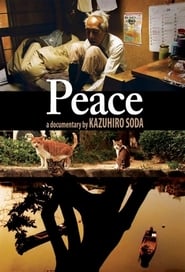
Peace
What is peace? What is coexistence? And what are the basis for them? PEACE is a visual-essay-like observational documentary, which contemplates these questions by observing the daily lives of people and cats in Okayama city, Japan, where life and death, acceptance and rejection are intermingled.
- 10
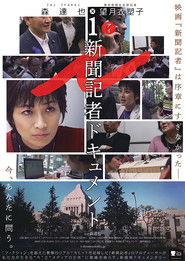
i -Documentary of the Journalist-
In Japan, there is an informal agreement between mainstream media and the government that is hardly ever questioned: Journalists are not too persistent in their criticism, in turn representatives of the government grant direct access to select information through press conferences. Isoko Mochizuki, reporter for the Tokyo Shimbun newspaper, has established herself as a spoilsport in this system.
- 11

Ramen Heads
In Ramen Heads, Osamu Tomita, Japan's reigning king of ramen, takes us deep into his world, revealing every single step of his obsessive approach to creating the perfect soup and noodles, and his relentless search for the highest-quality in
- 12
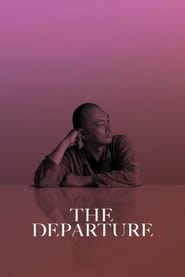
The Departure
An intimate character study of the complex figure Ittetsu Nemoto, an aimless and rebellious former punk rocker-turned-Buddhist priest. He is renowned in Japan for saving the lives of countless suicidal men and women through his wise and compassionate counsel. But Nemoto is now approaching middle-age with a wife and young boy of his own, when he learns his life is at risk from heart disease, compounded by the heavy emotional workload of supporting those who no longer want to live. When saving others takes such a toll, can he find the resiliency to save himself?
- 13

Ama-San
A dive, the midday sunlight filtering down through the water. The air in her lungs has to last until she can dislodge the abalone. Dives like these have been carried out in Japan for over 2000 years by the Ama-San.
- 14
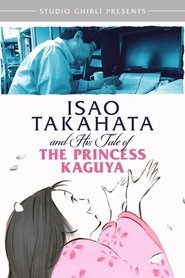
Isao Takahata and His Tale of The Princess Kaguya
For his first film in fourteen years, animation director Isao Takahata embarked on a visually sumptuous adaptation of The Tale of the Bamboo-Cutter. A dream project for the director that would hopefully establish the recently formed Ghibli Studio 7, created to meet the demands of a new type of modern animation process. But, almost immediately, the epic production is faced with difficulties and falls dramatically behind schedule. In this compelling and insightful documentary, we follow Isao Takahata and his dedicated team of artists as they frantically strive against adversity to make their vision a reality and bring Studio Ghibli into a new era.
- 15
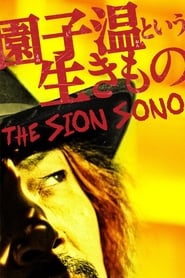
The Sion Sono
Directed by Arata Oshima, son of rebel filmmaker Nagisa Oshima, who had praised Sono's early work before his passing, this documentary gives insight into the man, the poet, the painter, the scriptwriter, the husband and the boy who will eventually grow up to be the Sion Sono. Lineage, history and the past meeting the present are themes in this film in which Oshima connects the dots in Sono's creative life by taking the camera to the site of his upbringing and following the production of his most recent film The Whispering Star.
- 16
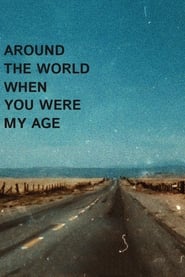
Around the World When You Were My Age
At 30, Jiro embarked on a year-long trip taking in the Soviet Union, North Africa, Europe, and the United States. Nearly half a century later, his daughter makes use of various memorabilia to take a step back in time and explore how such adventures have shaped the man’s take on the modern world.
- 17

Locodol Dorama Documentary
An anthology movie containing both documentaries and dramas, all staring members of local idol units.
- 18
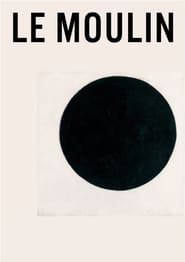
Le Moulin
Poetry, literature, painting and old film clips converge in this lyrical, unusually designed film essay about Le Moulin, the Taiwanese poets’ collective which protested in the 1930s against the cultural superiority of the Japanese occupier and the domination of realism in poetry.
- 19

ONE OK ROCK with Orchestra Japan Tour 2018
ONE OK ROCK with Orchestra Japan Tour 2018 features the final performance of the special concert held at Osaka-jo Hall in October 2018, where the band performed with a 53-member orchestra, alongside footage from the Saitama Super Arena show. The release also includes a 100-page booklet packed with newly shot member photos, commentary, live reports, and interviews with the production team, offering a deeply engaging read.
- 20
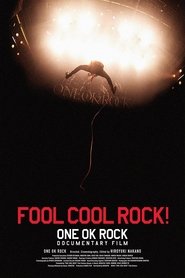
FOOL COOL ROCK! ONE OK ROCK DOCUMENTARY FILM
This work provides full-scale documentation of ONE OK ROCK's 2013 "Who are you?? Who are we??" TOUR, which covered Asia and their first-ever European tour. Over the course of one and a half months, it traces the band's journey across 12 performances in 11 countries: France, Germany, the UK, the Netherlands, Hong Kong, South Korea, Thailand, Malaysia, Singapore, Indonesia, and Taiwan. The members deliver awe-inspiring live performances in venues packed with local fans, while the overwhelming enthusiasm of international audiences is vividly captured through live footage. The documentary is directed by **Hiroshi Nakano**, a visionary filmmaker known for revolutionizing music videos and directing feature films. With his extensive experience in capturing artists' essence, Nakano records ONE OK ROCK's evolving "present" as they carve their path into a new era.
- 21

Revue Starlight Orchestra Live "Starry Konzert"
Revue Starlight Orchestra Live "Starry Konzert" was a live concert event held at Nakano Sunplaza in Tokyo on March 31, 2019.
- 22

TOKYO FANTASY
In 2010, SEKAI NO OWARI suddenly appeared in the music scene and quickly became a band that symbolized the new generation with its unconventional musicality, original lyrics, and unique characters of the four members. The four people, who have been engaged in bold and surprising activities that are completely unconventional in the past Japanese band scene, have finally embarked on the world of cinema.
- 23

LOVEBITES - Daughters Of The Dawn - Live In Tokyo 2019
Features LOVEBITES' gig held at MyNavi BLITZ Akasaka held on January 27. Contains 17 songs in total. 1 Clockwork Immortality 2 Addicted 3 Bravehearted 4 The Crusade 5 Pledge Of The Saviour 6 Rising 7 Scream For Me 8 Break The Wall 9 Shadowmaker 10 Above The Black Sea 11 Empty Daydream 12 M.D.O 13 Journey To The Otherside 14 Edge Of The World 15 We The United 16 Epilogue 17 Don't Bite The Dust 18 Under The Red Sky 19 The Everlasting
- 24

SCAR LIGHT EP
This is Ms. Asami's second release following her serious illness and it continues in the vein of renewal and recovery. It contains a live version of her previous single which really highlights the power and maturity of her voice. This premium package contains a bonus poster and a behind-the-scenes film production and music videos on DVD.
- 25

Queen's Quest in Quam
Documentary on a trip Stardom wrestlers Utami Hayashishita and Momo Watanabe took to Guam
- 26
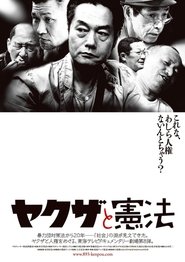
Yakuza and Constitution
Since the enactment of the Anti-Boryokudan Act and Yakuza exclusion ordinances, the number of Yakuza members reduced to less than 60,000. In the past 3 years, about 20,000 members have left from Yakuza organizations. However, just numbers can’t tell you the reality. What are they thinking, how are they living now? The camera zooms in on the Yakuza world. Are there basic human rights for them?
- 27

G.I.S.M.「Rushing Waves of Sound 911」
On September 11, 2018, the movie "Retsunami Kakuon Gunrushi 911” - a collection of unreleased footage of G.I.S.M. - screened for just one day at Tachikawa Cinema City, Tokyo, selling out over 700 seats in hours. Released physically on September 11, 2024 worldwide, the film is a one-hour piece of shocking footage carefully selected from the band’s legendary visual archive, shot and directed by Junji Yasuda.
- 28
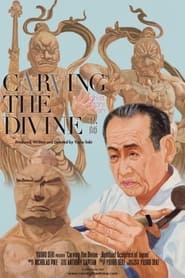
Carving the Divine
The documentary Carving the Divine offers a rare and intimate look into the life and artistic process of modern-day Busshi – practitioners of a 1400 year lineage of woodcarving that’s at the heart of Japanese, Mahayana Buddhism.
- 29
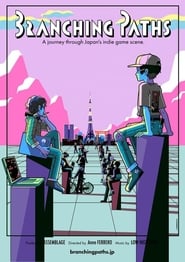
Branching Paths
Branching Paths is a mosaic of the developers, publishers and people who gravitate to indie games in Japan.
- 30

- 31
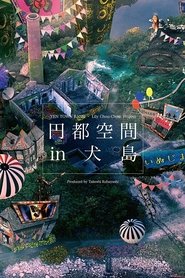
ENTO KUKAN in INUJIMA
Swallowtail Butterfly 20th Anniversary concert at Inujima Seirensho Museum as part of Setouchi Triennale 2016
- 32

Yuriy Norshteyn: Making the Overcoat
Yuriy Norshteyn, Russia’s most renowned animator, has crafted many brilliant works, including his award-winning Tale of Tales and Hedgehog in the Fog. He is revered by animation creators across the globe, most notably Japanese masters Osamu Tezuka, Hayao Miyazaki and Isao Takahata. Forty years ago, Norshteyn began work on an ambitious adaptation of Nikolai Gogol’s The Overcoat, but after completing 25 minutes of the film, the project stalled and has been shelved for many years. A crew visits Norshteyn’s studio and finds there mountains of sketches, character studies and a shooting table covered with dust. Norshteyn himself talks about its current status and the anguish and passion that has gone into its creation.
- 33
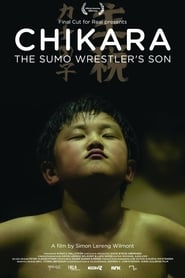
Chikara - The Sumo Wrestler's Son
'Chikara - the Sumo wrestler's son' follows the 10-year-old Japanese boy, Chikara, and his struggle to become a Sumo wrestler. His father was a professional Sumo wrestler, so expectations surrounding Chikara are extremely high. Today his father owns a noodle-shop where he works a lot. Their only time together is when they train Sumo wrestling. It's a very valuable time for Chikara. He wants to impress his father, but when he's there, Chikara gets nervous and everything seems to go wrong. The national Sumo Championship is approaching and Chikara wants to do well. It's a story of a small boy in a tough sport, parental pressure and expectations, but above all, it's a universal narrative about the relationship between father and son.
- 34
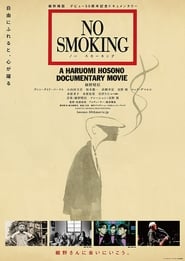
No Smoking
A documentary about Haruomi Hosono, a musician respected around the world and the music composer of Cannes Palme d'Or winner Shoplifters. The footage traces his encounter with music in early childhood to his days in bands Happy End and YMO to his solo activities. It also includes in-depth coverage from recent years of his first overseas performances in London, New York and Los Angeles. In London, he was joined by Yukihiro Takahashi, and when Ryuichi Sakamoto made a surprise appearance onstage, the YMO members were reunited for the first time in five years, a must-see spectacle captured on film. Written by Nikkatsu
- 35

NEVER GIVE UP
SHO made this movie with the strong desire to push the backs of people who are fighting for some goals and dreams, and those who are in a harsh environment or in adversity.
- 36
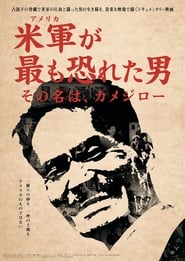
The Man Most Feared by the US Military: His Name was Kamejiro
The story of Senaga Kamejiro, an activist and politician who advocated for the return of Okinawa to Japanese governance in the aftermath of World War II.
- 37
Hyohyo: Dear Mr. Yasuo Otsuka
Documentary about Yasuo Otsuka, famous Japanese animator and mentor of Hayao Miyazaki and Isao Takahata. Featuring interviews with Japanese animation legends such as Masaaki Osumi, Youichi Kotabe, Sadao Tsukioka and Isao Takahata.
- 38
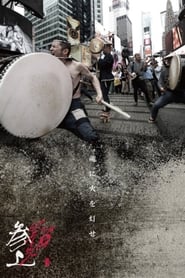
The Seppuku Pistols
Appearing in unexpected places and at unexpected moments, the Seppuku Pistols are a taiko music group that carry on the traditions of Japan's Edo era. In this in this road movie documentary, the guerrilla-style group perform throughout Japan and make it all the way to New York City.
- 39

Welcome to Sato
A documentary that is closely tied to "Kodomonosato," a playground that has served Kamagasaki, Nishinari-ku, Osaka, known as the "city of day labourers," as a place for kids to unwind for 38 years. No matter their disabilities or countries, "Kodomonosato" admits kids from 0 to 20 years old for free. It serves as a bustling gathering spot where parents and children who are temporarily away from home can unwind. It shows the trials of young people who overcome obstacles to become strong adults, the staff members who help them, and city dwellers.
- 40
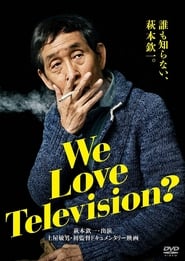
We Love Television?
- 41
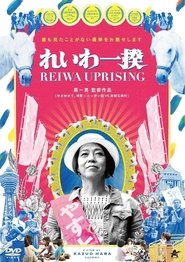
Reiwa Uprising
Kazuo Hara follows Ayumi Yasutomi, a transgender candidate, who is also a Tokyo University professor, as she embarks on a national campaign for a seat in Japan's Upper House.
- 42

Never Let Me Go
Children who cannot stay with their parents, the nursery staff who stay by their side, and the parents who long to live with their children again. The relationship between people is spun patiently in this documentary through daily life at a children's home over eight years.
- 43
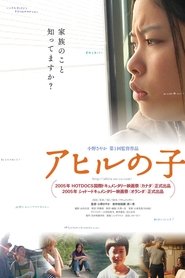
The Duckling
Sayaka ONO created a painful and deeply moving portrayal of her own vulnerable soul, based on the tense relationship with her parents. Left alone for a entire year at the age of five, she had to grow up with the constant fear of getting abandoned again. Her difficult childhood and youth resulted in depression, frustration and anger, that she now shares with the world.
- 44
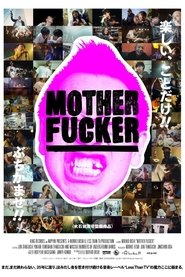
MOTHER FUCKER
A documentary providing a close-up look at 25-year-old music label Less Than TV which introduced or launched many bands in the 90s such as Guitar Wolf, bloodthirsty butchers, among others. It is directed by Oishi Noriko who has worked on the live DVDs and music videos of numerous artists both at home and abroad. Rooted in punk and hard core, Less Than TV has introduced all manner of artists with "entertainment" as its only pursuit. Owner Taniguchi Jun, musician and Taniguchi's wife YUKARI, their son Tomonari, and the many companions gathered at the label personify the appeal of the eccentric label. (Japanese Film Database)
- 45
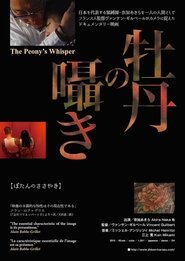
The Peony's whisper
Details from a portrait of Kinbakushi Akira Naka, through the otherness of image and speech; broken up memory, fragmented time, reminiscences of places, moments, faces and bodies, during a back-and-forth between the recollections of a child and the aspirations of a man in his fifties...
- 46
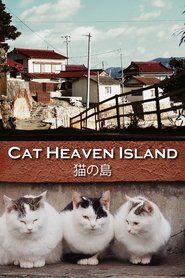
Cat Heaven Island
On a far off, rural island in Japan, hundreds of cats roam a secluded fishing village, home of an aging, beautiful, and fading culture.
- 47

Chinbotsu Kazoku
In 1995, Hoko Kanou, a single mother, recruited people to jointly raise her children. About 10 people responded to the offer. Then, they decided the day in charge at the monthly meeting, and started joint childcare "Chinbotsukazoku" at an apartment in Higashinakano in Tokyo. It was Tsuchi Kanou, the director of this film, who was raised there. When he graduated from college, he met people who had raised himself, heard stories, and made films. That is “Chinbotsukazoku the movie”.
- 48

Tenzo
To address the social crisis, Chiken - a buddhist monk - throws himself into various tasks such as a suicide helpline, in his temple in Yamanashi. In Fukushima, his old mate Ryûgyô - whose temple was wrecked by the tsunami - lives in a portacabin and works on construction sites.
- 49
What Can You Do About It?
When filmmaker Yoshifumi Tsubota learns about his slightly autistic uncle who lives alone, he decides to visit him. Drawn to his uncle’s unique personality, he begins to roll his camera as he visits him over the years. Tsubota himself had been diagnosed with a developmental disability and so understanding his uncle is also an act of understanding himself. Through intimate and personal footage, this charming film is gem of a documentary that also highlights contemporary social issues surrounding aging and social care for the disabled.
- 50

Holy Island
There is a small island where agriculture arrived 1,000 years ago when the inhabitants rescued people from a wrecked ship. The island became prosperous and the culture of the island has been handed down from generation to generation. Iwai Island, Kaminoseki City, Yamaguchi Prefecture. The 500 inhabitants of this island in the Seto Inland Sea help each other to survive the harsh natural environment. Water is limited on this rocky island, which often experiences typhoons. The people, however, have flourished by using the sea's resources and cultivating the rocky mountains. You can see clearly in this island that human activities are part of nature’s cycles. In 1982, a nuclear power plant construction project in Tanoura, on the opposite shore about 3.5km from Iwai Island, was proposed. The people here have been opposing to the project.
- 51
Genpin
About Tadashi Yoshimura's maternity clinic where he practice "natural births" deep in the forest of Okazaki (Japan).
- 52
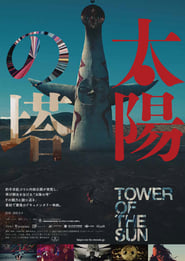
Tower of the Sun
Tarō Okamoto became world-famous by designing the “Tower of the Sun” at Expo ’70 in Osaka. The ideas and problems that came with its creation, however, are intertwined with the evolution of Japanese culture – from the Paleolithic up until modern times. In his documentary debut, director Kōsai Sekine takes us on a philosophical journey that transcends the visual limits of documentaries.
- 53

The Other Side of The SEX
A documentary that shines a spotlight on the unsung male performers who support the world of Japanese Adult Video, which has grown into a massive industry with annual sales of 55 billion yen in the 30 years since its inception. Its co-direc
- 54

War in the Mirror
Captain of the French Gendarmerie. Special bodyguard. Trained Special Forces worldwide. Classified missions in Afghanistan and Libya. Killed 47 human traffickers in Thailand while fighting the grudge of about 8,000 people he had killed. The next generation of war non-fiction, following the world's most powerful man for four years!
- 55

Sugihara Survivors: Jewish and Japanese, Past and Future
Documentary about Chiune Sugihara, a diplomat who helped almost 6,000 Jews escape to Japan during World War II. Akira Kitade, a freelance journalist from Tokyo, sets out to find the stories behind the faces in Sugihara's old photo album.
- 56
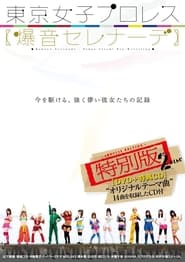
Tokyo Joshi Pro Wrestling: Explosive Serenade
Documentary focusing on japanese wrestling promotion Tokyo Joshi Pro Wrestling
- 57
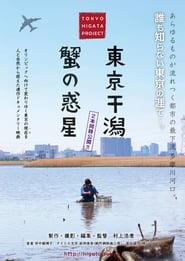
Planet of the Crabs
TOKYO HIGH TIDE director Murakami Hiroyasu returns to the Tama River estuary to document Yoshida Tadayoshi, who has been conducting independent observations of crabs over a 15-year period. The camera's relentless focus on crabs brings to light a world not visible to the naked eye. The mud flats of the Tama River are home to a wide variety of crabs. Yoshida makes regular visits to these mud flats and records his observations on crab ecology. The film reveals the surprising behavior of crabs through fieldwork documenting Yoshida and the mud flats.
- 58
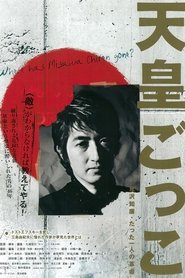
Where Has Misawa Chiren Gone?
Documentary on author, dissident and right-wing terrorist Misawa Chiren.
- 59
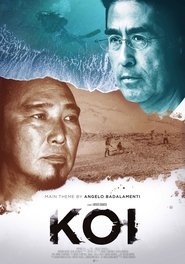
Koi
There's no definitive separation as long as there is memory'. Since the Tsunami hit the northern part of Japan's coast in 2011, more than 20 thousand people lost their lives, and many others are still missing. As time went by the families of the victims abandoned all hope and stopped looking for their loved ones. However, this is the story of two men that are still fully committed to their respective searching activities. Even though their backgrounds are extremely different, both share a strong force of will and firmly wish to keep alive the memories of the ones that went missing. Perseverance is what pushed an ex-convict to look for redemption by helping the victims' families to find the remains of their loved ones, and perseverance is what brought a bus driver to start to dive in order to search for his wife.
- 60
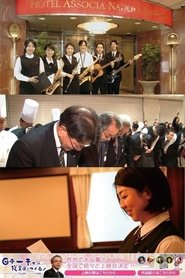
Making the Happiest Employees in Japan: The Challenge of Hotel Associa Nagoya Terminal
A renowned old hotel near Nagoya Station has been in the red for four consecutive fiscal terms. When the old management stepped down, Akio Shibata, who has long been in the board of the labor union, is appointed its new general manager. Shibata's method for reviving the hotel consists of neither the laying off of the staff nor the introduction of performance-based system. He wants everyone to take part in the making of new management plans and for all employees to lodge together and engage in heated discussions about their management dreams all night. Yes, his management ideal is to "have the happiest employees in Japan" working in their hotel. He throws birthday parties for employees and has company cafeteria remodeled. All these changes bring about yet another change in the mind of everyone.
- 61
What Are You Afraid Of?
A (her)story told through the very people involved in the women’s liberation movement beginning in Japan in the 1970s.
- 62
- 63
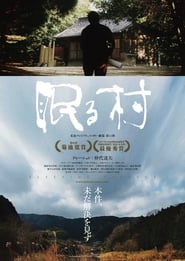
Sleeping Village
In 1961, a spectacular criminal case shocks Japan: at what became known as the “Nabari Poison Wine” incident, five people lose their lives at a village social gathering. One of the attendants, Masaru OKUNISHI, is made out as the main suspect. Rumor has it that he wanted to kill his wife and his lover in order to end his extra-marital affair. After being questioned by the police for days, he signs a confession, only to withdraw it soon afterwards. Nonetheless, he is sentenced to death and all pleas for a retrial are denied.
- 64
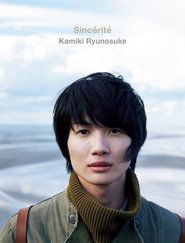
Sincerite Kamiki Ryunosuke
Kamiki Ryunosuke's journey of self discovery, set in famous European cities such as Paris, Mont-Saint-Michel and Barcelona. A grand journey through France and Spain.
- 65

Flashback Memories 3D
Didgeridoo performer GOMA developed higher brain dysfunction as the result of an expressway accident. While looking back on his rehabilitation and recovery with his family's help, animation recreates his “flashbacks” - incongruous images that suddenly appear in his brain. This completely new style of 3D movie that blends past footage, flashbacks, and studio performances is also emphatically a story of familial love.
- 66

Yasmin-san
A documentary following the production of Isao Yukisada's Pigeon which looks into filmmaking, unity, fate, and history through the influence of the late Yasmin Ahmad.
- 67

Between Today and Tomorrow
This intimate documentary follows world-renowned ballet dancer Shuto Yasuyuki and takes you behind the creative process of his groundbreaking approach to the traditions of ballet that has left many moved to tears. Featured in the film is also a rare look at a brand new piece of ballet music, written by Shiina Ringo and choreographed by Megumi Nakamura.
- 68

Kodo no kioku: tankoeshi Yamamoto Sakubei
A documentary by Sakube Yamamoto (1892-1984), an artist who left behind more than 1,000 paintings and diaries depicting his work and life in the coal mines. Born in Chikutoyo, Fukuoka Prefecture, which was the largest coal producing area in Japan, in 2014, he was born in Chikusei in 2014, and in 2014, he wanted to leave a record of his life in the coal mines to his children and grandchildren. I took up painting after I turned 60. From the testimonies of people who knew Sakubei directly, Sodo North Road. Sakube, an unknown coal miner, visited an active coal mine in Japan, and why did his drawings convey to future generations, "The world's treasures" and "the world's treasures" that should be passed on to future generations?
- 69

Discovery of Image – The Era of Toshio Matsumoto
A five-part documentary chronicling Toshio Matsumoto, the legendary filmmaker known as a pioneer of experimental cinema in Japan and also active as a film theorist, who exerted a profound influence on innovative film expression from the 1950s onward. Directed by filmmaker and critic Takefumi Tsutsui—himself both a filmmaker and critic like Matsumoto—the project was filmed over the course of ten years. Interweaving excerpts from Matsumoto’s works with an extensive series of interviews with collaborators and critics, the documentary retraces, through the figure of Matsumoto, the tumultuous decades from the 1950s to the 2000s across five parts, totaling 700 minutes.
- 70
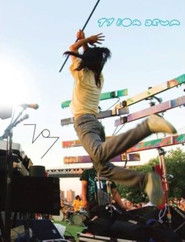
Boredoms: 77 Boa Drum
On July 7th, 2007 at 7:07 PM, Japanese group Boredoms, orchestrated a performance by 77 drummers at the Empire-Fulton Ferry State Park in Brooklyn, New York.
- 71
Hidden Contamination
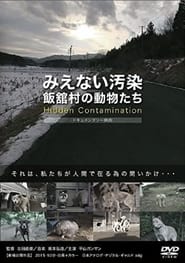
The 20 km zone surrounding the Fukushima Nuclear Power Plant was designated an evacuation zone due to the radiation caused by the accident in March 2011. However, the thousands of people of Itate, situated just outside the zone, and those who had fled the area and taken shelter there were left to their own devices for over a month. Later on Itate became a restricted area and the residents were allowed only visits having to leave the area for good. The place became a ghost town, as it was too close to the Zone and many pets and farm animals are stranded there. There are said to be 150~200 dogs, 400~800 cats, 50 chickens and a pig although the exact numbers are unknown. The public interest in the accident has all but gone but there is one man who still cares what happens to those animals.
- 72

Tadao Ando: Samurai Architect
Tadao Ando (b.1941) is a world-renowned architect, and a recipient of the Pritzker Architecture Prize. His calm, minimalist architecture with elegant concrete designs reflects the Zen principle of simplicity. In the film he reveals the experience a building should evoke, as he discusses a number of iconic designs, such as The Row House and The Church of Light.
- 73
The Story of a Butcher Shop
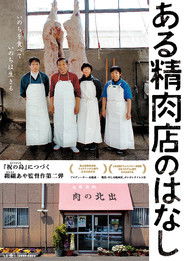
The Kitades run a butcher shop in Kaizuka City outside Osaka, raising and slaughtering cattle to sell the meat in their store. The seventh generation of their family's business, they are descendants of the buraku people, a social minority held over from the caste system abolished in the 19th century that is still subject to discrimination. As the Kitades are forced to make the difficult decision to shut down their slaughterhouse, the question posed by the film is whether doing this will also result in the deconstruction of the prejudices imposed on them. Though primarily documenting the process of their work with meticulous detail, Aya Hanabusa also touches on the Kitades' participation in the buraku liberation movement. Hanabusa's heartfelt portrait expands from the story of an old-fashioned family business competing with corporate supermarkets, toward a subtle and sophisticated critiqu
- 74
Kiki Kirin's Life
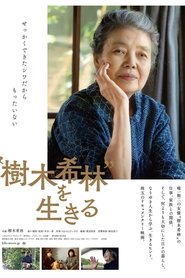
This documentary follows the last days of actress KIKI Kirin, who passed away on September 15, 2018. The documentary is the first long-term, in-depth coverage of Ki-kin, and is a re-edited version of the NHK documentary of the same title that was broadcast on September 26, 2006, adding previously unseen footage. She was loved all over Japan for her blunt remarks, her attentive concern for those around her, and her overflowing sense of humor. Despite her busy schedule, she valued her daily life and had her own unique style, even though she talked about life as it came. This film captures the last days of her life and gives us hints for living from her "life as it comes" and her many inspiring words.
- 75
Miyako Island - Healing Beach
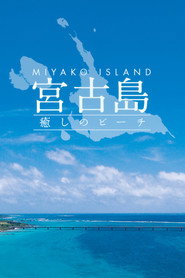
A compilation beginning with Yonaha Maehama Beach, known as the whitest sandy beach in all of the orient, then to the famous natural arch of renowned Sunayama (Sand Hill) Beach, as well as the shallow and beautiful emerald green ocean that opens up from Toguchi Bay are just a sampling of more to come.
- 76
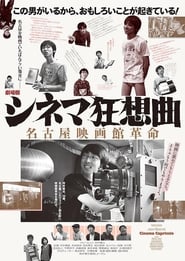
Cinema Capriccio
Documentary about the crazy cinephile Atsushi Tsuboi, vice president of the Nagoya art theatre "cinemaskhole".
- 77

The Genealogy of Sake
A document of sake craftspeople known as "Noto Toji" and their skills that have been passed down through generations, set amidst the beautiful landscapes of Noto Peninsula before the recent earthquake. The film unravels the history of sake brewing in Noto—an area that was hit severely by a recent earthquake. It examines the intense work of the life of four masters in sake brewing called "The Four Sake Kings of Noto," including a 80-year-old returning veteran Toji (a sake craftsperson), as well as their disciples, such as the first female Toji to join the Noto Toji Union, and a young Toji with a new working style. The story reveals the depths of sake making today and the difficulties of passing down the artistry through generations.
- 78

Pelican: 74 Years of Japanese Tradition
Pelican, a bakery located at Asakusa, Tokyo, becomes crowded every morning. There are only two types of bread sold. It looks ordinary but meet a bakery that has been loved for 74 years with a taste you won't get tired of even if you eat it everyday!
- 79

Japan in a Day
Crowdsourced documentary sequel to Life in a Day, shot on the first anniversary of the Tohoku earthquake.
- 80
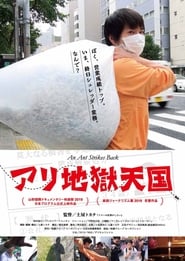
An Ant Strikes Back
More than 5,000 people died from the ramifications of overworking in Japan between 2006 and 2017 – and this is only the official number. Rarely do Japanese employees stand up against exploitative working conditions, since the social pressure is too high. In his documentary, Tokachi TSUCHIYA follows the case of a moving company sales agent who decides to no longer accept illegal employment contract clauses and a humiliating work environment. Initially being just like an ant among others, he joins a labor union and fights not only for his own rights, but for the rights of all “ants” in Japan’s workforce.
- 81

- 82
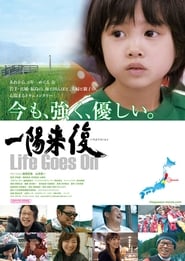
Life Goes on
One of Japan's most inspirational documentaries of 2018 "Life Goes On..." True stories of ordinary people struggling to rebuild their lives after the Great East Japan earthquake and tsunami of 2011. Courage and compassion in the face of adversity. Six years after East Japan's Great Earthquake & Tsunami, director Mia Yoon reveals why she returned to the affected area. "The tragedy of Tohoku has been broadcasted to the world, but since then, rays of hope and happiness have begun to emerge, and these stories deserve to be told.” Actress Norika Fukiwara introduces to us the realities of life in this beautiful yet tragic landscape. We learn from farmers, children, house wives, a hotel manager, oridnary people struggling to re-build their lives. Against the trauma of lost love ones, devastated commuities and the threat of nuclear fallout, the resilience and benevolence of ordinary people
- 83
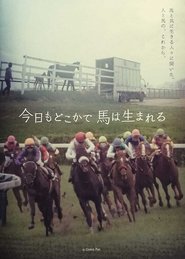
今日もどこかで馬は生まれる
- 84
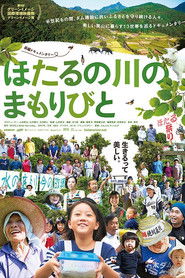
Protectors Of Firefly River
This documentary is set in a small mountain village in Nagasaki Prefecture. 13 households, 54 residents remained and they all help each other to live. More than fifty years ago, plans surfaced for constructing a dam, which residents have steadfastly opposed. Villagers who want to protect a hometown blessed with abundant nature and clean water have been pitted against a mighty power. Rather than focus on the opposition movement, this film turns its sights on the lives of people now bound together like family in their coexistence with nature.
- 85

Garage Rockin' Craze
A savage journey into the heart of underground Tokyo rock and roll, a look at the people who make it thrive, and stories of their dedication to keeping DIY culture alive.
- 86
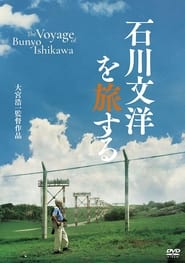
The Voyage of Bunyo Ishikawa
Ishikawa Bunyo was born in Okinawa in 1938, reported on the Vietnam War from 1964, and continued to document Okinawa after his return to Japan. This film travels with Bunyo, now 75 years old, through Vietnam and Okinawa, looking back at his footsteps and listening to his thoughts on war and peace as he talks about them.
- 87

- 88
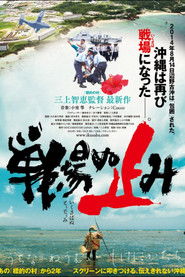
We Shall Overcome
An elderly woman named Fumiko lived through the battle of Okinawa. Now she is part of the movement protesting the construction of a new American military base in Henoko. This film captures the complex feelings of those who have had to live their lives alongside military bases. It compels us to share in their yearning to bring an end to this battle.
- 89
Toward a Common Tenderness
Moments in the life of a young Japanese filmmaker in Bosnia, charged with acoustic and visual poetry. Buoyant and essayistic entries in a process of self- and world-reassurance.
- 90
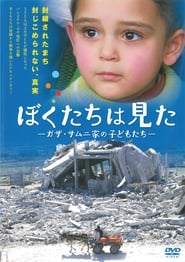
What We Saw - Gaza, The children of Samuni family
A documentary of Palestinian children that lived through the Israeli military's intervention in the Gaza Strip in late 2008. The film depicts how the children of the Samuni family, that lost 29 members in the conflict, have accepted the deaths of their loved ones and how they try to overcome.
- 91

And Then Akiko Is... A Portrait of a Dancer
Sumiko Haneda returns to film what will be the final bits of Akiko Kanda's life, documenting Kanda's will to dance as she struggles with terminal cancer.
- 92

Boycott Rhythm Machine Worldwide Versus I
Steinway Artist Jason Moran and Japanese pianist Dairo Suga – both of whom are some of world’s most forward-thinking and innovative pianists - perform at the Steinway factory as part of a special series launched in Tokyo in 2006. This performance took place on December 17, 2016.
- 93
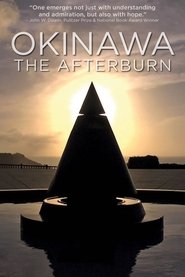
Okinawa: The Afterburn
On April 1, 1945, the United States military launched its invasion of the main island of Okinawa, the start of a battle that was to last 12 weeks and claim the lives of some 240,000 people. This film depicts the Battle through the eyes of Japanese and American soldiers who fought each other on the same battlefield, along with Okinawa civilians who were swept up in the fighting. The film also depicts the history of discrimination and oppression forced upon Okinawa by the American and Japanese governments. Carrying up to the current controversy over the construction of a new base at Henoko, the film explores the root causes of the widespread disillusionment and anger expressed by many Okinawans. This ambitious documentary was directed by the American John Junkerman, long-term resident of Japan and Oscar-nominated documentary filmmaker. Okinawa: The Afterburn is a heartfelt plea for peace
- 94
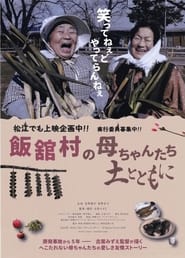
Mothers of Fukushima: Eiko & Yoshiko
Eiko Kanno is a 79 year old grandmother whose life has been completely changed by the nuclear disaster in Fukushima. Her life should have been with her grandchildren but because of the disaster which caused her entire village of Iitate to be evacuated. She now lives by herself in temporary housing. Yoshiko Kanno and her extended family are very important to her changed life. Yoshiko Kanno lost her parents in the evacuation and she found herself living next door to Eiko Kanno. They entertain themselves by telling jokes to each other like a comedic duo. They now live together.
- 95
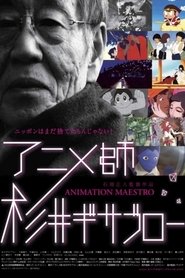
Animation Maestro Gisaburo
A master of Japanese animation, Gisaburo Sugii talks candidly about his career and creative process in this rare and exciting piece of film.
- 96
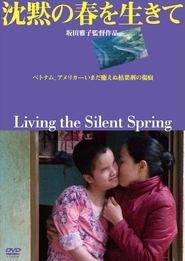
Living the Silent Spring
Fifty years ago, Rachel Carson’s Silent Spring warned of the danger of widespread use of pesticides, helping to launch the environmental movement in the US. Around the same time, the US military began to spray defoliants in Vietnam to deny cover to guerrilla forces. The defoliants, including Agent Orange, were contaminated with the deadly toxin, dioxin. Agent Orange continues to affect the children and grandchildren of those exposed in Vietnam and America to this day.
- 97
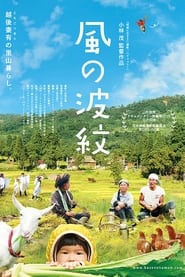
Dryads in a Snow Valley
Ten years ago, the Kogures moved from Tokyo to a satoyama area (an area where traditional sustainable agriculture has been long practiced) in a snowy mountain village in Echigo-Tsumari where they repaired an old thatched farmhouse and began growing organic, pesticide-free rice. Their life may appear unrestrained and free of worldly cares but they cannot make it alone. All the work is done together with their cheerful neighbors. Then, in the spring of 2011, an earthquake strikes on the border of Nagano and Niigata prefectures. The Kogures’ house is destroyed, but they decide to rebuild. An adventure told in a fantastical tone that expresses the joy of living with a sometimes harsh natural world.
- 98

Shinjuku Tiger
Shinjuku Tiger, a Japanese documentary, is named after its subject, a colorful figure who has been a feature of the Shinjuku scene since the 1970s.
- 99

Cheese, The Nostalgic Future
The film shows a deep insight into the existential dimension of cheese production through fermentation processes in the interaction of people, microbes and natural elements. The result is a cheese that "reflects Japan in one bite".
- 100
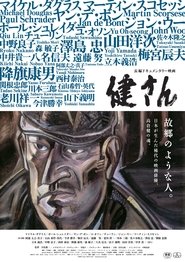
Ken San
KEN SAN pieces together the puzzle of the life and legacy of Japan's mythical acting icon, Ken Takakura. Collaborators, friends and family tell intimate stories of Ken's journey: how one man of quiet dignity became a cultural barrier-breaking film star.