 trailers.fm
trailers.fm / Guide / Documentary + 2010s + Portuguese
Portuguese documentary films from the 2010s
The best 100 of 192
- 1
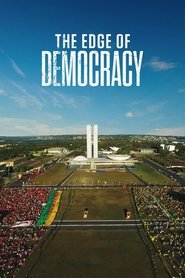
The Edge of Democracy
A cautionary tale for these times of democracy in crisis—the personal and political fuse to explore one of the most dramatic periods in Brazilian history. With unprecedented access to Presidents Dilma Rousseff and Lula da Silva, we witness
- 2
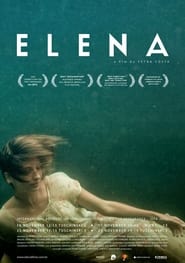
Elena
Petra heads to New York in search of her older sister after a long time of being separated. They are both movie actresses and heirs of the wounds of the Brazilian dictatorship. But Petra has only a few clues: home movies, newspaper clippings, a diary...
- 3
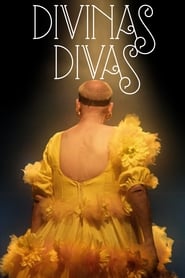
Divine Divas
Eight iconic performers of the first generation of Brazilian transvestite artists go on stage to celebrate their 50th career jubilee. The film depicts the human, personal dimension behind these icons, deconstructing gender stereotypes.
- 4
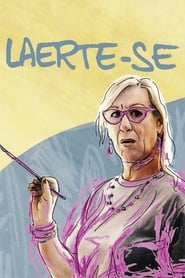
Laerte-se
In this film, Laerte conjugates the body in the feminine, and scrutinizes concepts and prejudices. Not in search of an identity, but in search of un-identities. Laerte creates and sends creatures to face reality in the fictional world of comic strips as a vanguard of the self. And, on the streets, the one who becomes the fiction of a real character. Laerte, of all the bodies, and of none, complicates all binaries. In following Laerte, this documentary chooses to clothe the nudity beyond the skin we inhabit.
- 5

José & Pilar
A deeply moving story about love, loss and literature, this documentary follows the days of José Saramago, the Nobel-laureate Portuguese novelist, and his wife, Pilar del Río. The film shows their whirlwind life of international travel, his passion for completing his masterpiece "The Elephant's Journey", and how their love quietly sustains them throughout.
- 6

Not Even in a Wildest Dream
The challenges of the present, expectations for the future, and the dreams of those who experience the reality of public high school in Brazil. Through the voices of students, principals, teachers and experts, "Not Even In a Wildest Dream" offers a reflection on the value of education.
- 7

Sovereign: Six Times São Paulo
Tells the stories of six national soccer titles won by São Paulo Futebol Clube, from the point of view of the fans.
- 8

The Beginning of Life
One of the greatest neuroscience breakthroughs is having discovered that babies are far more than a genetic load. The development of all human beings lies on the combination of genetics, the quality of the relationships and the environment they are set on. The Beginning of Life invites everyone to reflect: are we taking good care of this unique moment, which defines both the present and future of humankind?
- 9
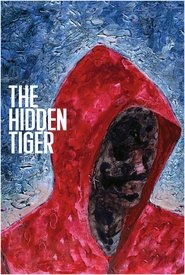
The Hidden Tiger
Juninho, Menor, Neguinho, Adilson and Eldo are young residents of the Bairro Nacional, outskirts of Contagem, in Minas Gerais, Brazil. Divided between work and fun, crime and hope, each will have to find ways of overcoming difficulties and taming the tiger inside their veins.
- 10
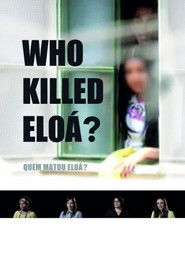
Who Killed Eloá?
In 2008, a young man broke into his ex-girlfriend's apartment, holding her and her friend hostage at gunpoint for five days. The so-called "crime of passion" was covered live and rabidly followed like a perverse telenovela. This film's pointed analysis of the Brazilian police and media's sensationalization of violence against women sadly explains the country's elevated rate of femicide.
- 11
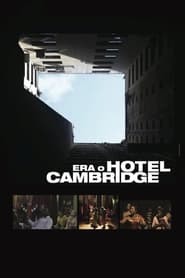
The Cambridge Squatter
The Cambridge Squatter tells the story of refugees, recently arrived in Brazil who, together with a group of low-income workers, occupy an old abandoned building in downtown São Paulo. Daily dramas, comical situations and different views on the world commingle with the threat of impending eviction.
- 12
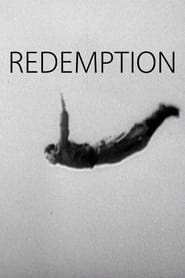
Redemption
On January 21, 1975, in a village in the north of Portugal, a child writes to his parents who are in Angola to tell them how sad Portugal is. On July 13, 2011, in Milan, an old man remembers his first love. On May 6, 2012, in Paris, a man tells his baby daughter that he will never be a real father. During a wedding ceremony on September 3, 1977 in Leipzig, the bride battles against a Wagner opera that she can’t get out of her head. But where and when have these four poor devils begun searching for redemption?
- 13

The Space in Between: Marina Abramović and Brazil
Marina Abramović travels through Brazil, in search of personal healing and artistic inspiration, experiencing sacred rituals and revealing her creative process. The route is comprised of poignant encounters with healers and sages from the Brazilian countryside, exploring the limits between art and spirituality. This external trip triggers in Marina a profound introspective journey through memories, pain and past experiences.
- 14

Bixa Travesty
A portrait of transgender musician and artist Linn da Quebrada, who uses her body and performances as weapons to fight sexism, homophobia, and racism.
- 15

Data Limite segundo Chico Xavier
UFO experts claim that after the explosion of the bombs on Hiroshima and Nagasaki, there was an increase in the number of sightings of UFO'S (Unidentified Flying Objects) worldwide. Just over two decades later, the Brazilian medium Chico Xavier confided to close friends that when man reached the moon on July 20, 1969, happened a meeting with the celestial beings of our solar system to check the progress of humanity. They decided to grant a period of 50 years for humanity to evolve morally and live in peace, without provoking a third world war. If we live in peace until the Deadline, humanity would be ready to enter a new era of its existence, and magnificent feats would be checked everywhere, including our brothers from other planets would be expressly authorized to present themselves publicly and officially to Earth's residents.
- 16

Old Lord Savanna
This documentary captures the environmental and societal impact of Brazil's Cerrado savanna suffering from severe deforestation and the attempts to defend this biome from extinction.
- 17
Seven Years in May
One night seven years ago, Rafael came home after work and discovered that people he did not know had come looking for him. He immediately fled, without looking back. From that moment on, his life changed, as if that night had never ended.
- 18

Flesh
Rare, medium rare, medium, medium well and well done. Through intimate and personal stories, five women share their experiences in relation to the body, from childhood to old age.
- 19
Way Beyond Weight
Today, one third of Brazilian children are overweight. This is the first generation to introduce diseases previously restricted to adults, such as depression, diabetes and cardiovascular problems. This documentary examines the case of child
- 20
Jia Zhangke, A Guy from Fenyang
Chinese filmmaker Jia Zhangke returns to the shooting locations of his films, along with his actors, friends and close collaborators. Jia recalls the inspiration sources for his movies, such as Platform, Still Life and A Touch of Sin. The film is the memory of a filmmaker and of a country in convulsion, China, which reveals itself little by little.
- 21
White Out, Black In
Shots fired inside a club frequented by black Brazilians in the outskirts of Brasilia leave two men wounded. A third man arrives from the future in order to investigate the incident and prove that the fault lies in the repressive society.
- 22
Let It Burn
A gritty observation of precarious romance, debauchery, and heartbreak between addicts living in a São Paulo hotel.
- 23
Não Vai Ter Golpe!
"People on the street will not end in anything." How many times have you heard this phrase? Even so, at each protest, you took to the streets, invited people, mobilized. Why? What was the strange stubbornness that made you strive without the slightest idea if it would work? This is the story we want to tell. Not only MBL's history, but yours. You saw, lived and won. And now you can remember how it all started…
- 24
Auto de Resistência
A documentary about the Rio de Janeiro police killings praticed as so-called "self-defense acts". The film follows people who deal with those deaths in their daily lives, showing how Brazil's Federal Government deals with these cases, from the police investigations to the courtrooms.
- 25

A Nossa Bandeira Jamais Será Vermelha
A documentary about the current political state of Brazil.
- 26
Extinction
The end of the Cold War did not bring about a definitive thaw in the former republics of the Soviet Union, so that today there are several frozen conflicts, unresolved for decades, in that vast territory. As in Transnistria, an unrecognized state, seceded from Moldova since 1990. Kolja is a silent witness of how borders and bureaucracy shape the lives of citizens, finally forced to lose their identity.
- 27

No Man's Land
Us to the fascinating, disturbing, ghostly figure of Paulo de Figueiredo, professional mercenary soldier, from the sixties, played the hired liquidator task in diverse corners of the world.
- 28

The Glory of Filmmaking in Portugal
On 18 September 1929, José Régio sent a letter to Alberto Serpa expressing his desire to create a production company and start making films. For almost 90 years, nothing more was known: no reply was ever found and Régio never mentioned the subject again. The discovery of some old reels in a collector’s hoard seems to provide the ending to the story.
- 29
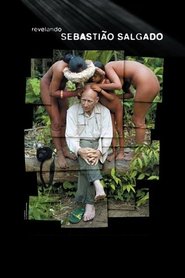
Meeting Sebastião Salgado
Part activist and part globe trekking photographer, Sebastião Salgado is most famous for recording the migration of people and culture around the world. In this extensive conversation, Sebastiao Salgado revisits his adventurous career via the breathtaking images he captured.
- 30
- 31

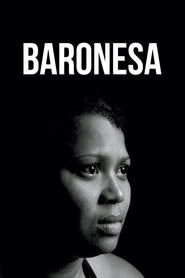
Tchindas
Tchinda is one of most beloved women in Cape Verde, especially after she came out as a transgender person in the local newspaper in 1998. Since then, her name has become the term used by locals to name queer Cape Verdeans.
- 32

The Blue Flower of Novalis
Marcelo, a 40-year-old dandy, has a memory like no other. Monologuing between coffee and gay hookups, he holds court on a wide range of topics: his status, his Catholic grandmother, and his unusual sexual fantasies. At times, he takes himself for Genghis Khan or poet-philosopher Novalis.
- 33

Hill of Pleasures
It examines the daily life of the residents and cops at a Rio de Janeiro favela one year after the arrival of a Pacifying Police Unit.
- 34

Obscure Light
Mingling identity photos taken by the Portuguese political police during the Salazar dictatorship and testimonies from the children of an assassinated communist activist, Luz Obscura invents a form that recreates as faithfully as possible the feeling of a family's broken identity.
- 35

Anderson Silva: Like Water
Anderson Silva is the deadliest man on the planet - The longest-reigning UFC Champion, and the most feared fighter in mixed martial arts. Like Water offers a unique perspective of the living legend as he trains with fellow fighters Lyoto "The Dragon" Machida, Junior Dos Santos, and Antonio "Minotauro" Nogueira, in preparation for his career defining title defense against challenger, and arch villain Chael Sonnen. A man of few words, Anderson Silva walks the fine line between cockiness and confidence. A philosopher in spirit, and dedicated family man, Silva's personality contradicts that of Sonnen's, who uses trash talk and intimidation to get under his opponents' skin. Balancing family and fighting; respect for the sport, and rage for his opponent; Silva's mind and body will be put to the test, as first-time filmmaker Pablo Croce peels back the layers of an ultimate fighter to reveal the
- 36
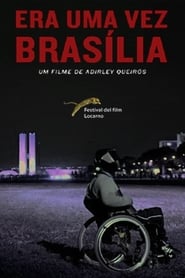
Once There Was Brasília
In 1959, disgraced intergalactic agent WA4 receives a mission: to come to the Earth and kill the president Juscelino Kubitschek on the day of Brasília's inauguration. But his ship is lost in time and lands in 2016 in Ceilândia — a Black suburb of Brasilia — on the verge of Dilma Rousseff's impeachment.
- 37
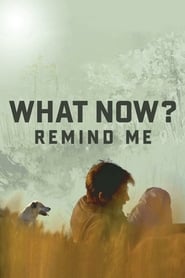
What Now? Remind Me
Joaquim Pinto has been living with HIV and VHC for almost twenty years. “What now? Remind Me” is the notebook of a year of clinical studies with toxic, mind altering drugs as yet unapproved. An open and eclectic reflection on time and memory, on epidemics and globalization, on survival beyond all expectations, on dissent and absolute love. In a to-and-fro between present and past memories, the film is also a tribute to friends departed and those who remain.
- 38

Breakwater
A group of friends from São Paulo head for a secluded beach to celebrate New Year’s. Together they relax, sunbathe and make music. And they talk: about their sexuality, their bodies, their hair, their youth, their fears, certainties and uncertainties, as anyone does sometimes with good friends. Along the way, we learn a lot about contemporary Brazil.
- 39

Mr. Leather
Dom Barbudo, a pioneer in the São Paulo gay and BDSM community and elected first Mister Leather Brasil in 2017, prepares to pass on the mantle to one of the four contestants in the second edition of the contest.
- 40
The Silence of Men
This film is part of a project that has listened to over 40,000 people on masculinity issues and has resulted in a documentary and a tool book based on this publicly available study through an agreement with the Social Information Consortiu
- 41

Negritudes Brasileiras
The visual documentary "Negritudes Brasileiras" was a way found by Nataly Neri to continue the Brazilian racial debate, locating it in the present time with the rise of new concepts such as representativeness and the increasing popularisation of the internet. The documentary was sponsored by the Youtube project Creators For Change, which provides a framework for creators to produce content engaged in the platform to combat hate speech, racism, xenophobia, etc.
- 42
Eu Maior
Eu Maior (Higher Self) is a Brazilian feature-length documentary presenting a fresh look at self-knowledge and the pursuit of happiness. The filmmakers interviewed thirty individuals with distinct backgrounds, including spiritual leaders, intellectuals, artists and professional athletes. Their touching personal stories, combined with the film's beautiful images and music, are certain to appeal to any audience's intelligence and artistic sensibility. - Anonymous
- 43

Santo Marcos
Marcos, famous goalkeeper who made history in Palmeiras and in the Brazilian NT - with which he was world champion in 2002 -, has a reputation as a saint due to the beautiful defenses he makes in capo. Players, coaches, journalists and fans praise the skills of São Marcos and pay homage to the admirable man and tireless athlete who became an idol.
- 44
Leonardo Bastião, The Illiterate Poet
In Itapetim’s countryside, deep inside Sertão do Pajeú in the Pernambuco backlands lives Leonardo Bastião in a rammed earth housing, a poet who, even without knowing how to read or write, built through his improvised metrical poetry and his relationship with the local environment an overwhelming cultural universe. After a lifetime of anonymity, videos of Leonardo declaiming authorial verses surfaced online and reached millions of views and even gave birth to a book transcribed by fans. In 2019, at the age of 74, the illiterate poet reflects on life, nature and homesickness, while scholars of popular culture try to explain the media and linguistic phenomenon that is his life and work.
- 45

Terra Convexa
A look at Brazillian scientists who are trying to find the true nature of the earth.
- 46

Who Cares ?
WHO CARES is a 93-minute High Definition feature documentary about social entrepreneurs around the world. People who are making changes, bringing solutions, generating huge social impact and most of all, inspiring people to do the same. A film that searches the world for brilliant people with simple solutions to the hard global issues. The goal of WHO CARES is to inspire people around the world, especially young people from ages 14 years-old up, to learn more about, become excited by and want to be engaged in the social entrepreneurship revolution. We want this film to encourage, inspire and spark a global movement of changemakers. The movie mixes interviews, images of their social work and computer graphics creating a very dynamic feature
- 47
LGBTs no regime militar
In 1980, the first march of gays, lesbians and transvestites took place in Brazil in protest against the constant police operations that took place in São Paulo, which aimed to repress these groups. Based on Renan Quinalha's doctoral thesis, “Against morality and good customs: the sexual politics of the Brazilian dictatorship (1964-1988)”, carried out by the Institute of International Relations, a series of four 5 minute videos about the birth of the LGBT movement during the Military Regime.
- 48

VIVA - The opening Ceremony Documentary of Rio 2016
For the first time ever, experience the work of a nation as it host the world and puts on a show like never before.
- 49
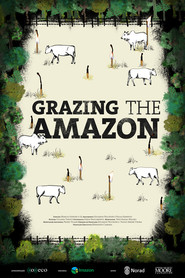
Grazing the Amazon
There are 85 million cows in the Brazilian Amazon, which means three cows for each human dweller grazing today and area that was once forest. Less than fifty years ago, in the 1970s, the rainforest was intact. Since then, a portion the size of France has disappeared, 66% of which transformed into pastures. Much of this change is a consequence of government incentives that attracted thousands of farmers from southern lands. Cattle ranching became an economic and cultural banner of the Amazon, forging powerful politicians to defend it. In 2009, there was a game changer: the Public Prosecutor's Office sued large slaughterhouses, forcing them to supervise cattle supplying farms.
- 50
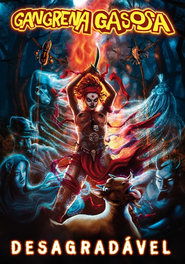
Desagradável
Some people seem to have come into the world to confuse, annoy, swim against the current, like the guys from Gangrena Gasosa, the first and only Sarava Metal band of the universe. "Desagradável" covers all the 23 years of the band. A special reunion of people that stirred the underground scene of 90's until today. All the legends detailed in a film that will show the most shameful chapters in history of Brazilian Rock. Jello Biafra, Jão and João Gordo, BNegão, Marcelo D2, Anjo Caldas, Dado Villa-Lobos, Rafael Ramos, Fabio from Garage, Marcos Bragatto, Tom Leão, Pedro Só, Adilson Pereira, Larry Antha and the former members (more than 15!) recalls the regrettable moments that Sarava Metal happened in their lives. Archive images, photos and videos to prove, once for all, that "Home Saint makes miracles too".
- 51
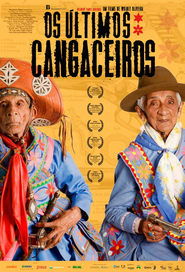
The Last Cangaceiros
For more than 50 years, Durvinha and Moreno hid their real identity even to their own children, who grew up thinking their parents' names were Jovina Maria and Jose Antonio Souto. They had belonged to the gang of the most famous Brazilian bandit's leader. The truth was revealed when Moreno, at the age of 95, decided to share the weight of memories with his children and meet alive relatives, including his first child. The 'cangaceirismo' was a form of 'social banditry' born in northeastern Brazil in the early XX century in a scenario of extreme poverty, violence and anarchy.
- 52

Dossiê: Quem é Samora Machel de Oliveira?
Samora is a mysterius account that post random questions in several types of Facebook groups. What would be behind all this?
- 53
Zeca Apresenta: O Quintal do Pagodinho – Ao vivo
- 54
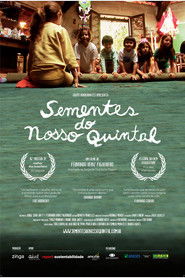
Sementes do Nosso Quintal
A documentary about a very different school, a Te-Arte, which teaches children in a playful way, with games, without separating ages, and in contact with nature and animals. Its creator is Thereza Soares Pagani, who lives at school as her main life goal, and teaches appreciation of childhood. At school, children learn with art, literature, music and popular Brazilian culture.
- 55
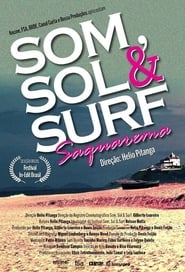
Som, Sol & Surf - Saquarema
In 1976, a great rock show, called "Som, Sol & Surf", took place on Itaúna beach, in Saquarema and also had a surfing championship. For three days, a crowd of young people enjoyed songs by Rita Lee, Angela Ro Ro, Raul Seixas and others.
- 56
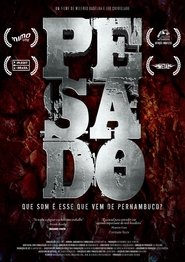
Pesado: Que som é esse que vem de Pernambuco?
Documentary about the heavy rock scene in Pernambuco.
- 57
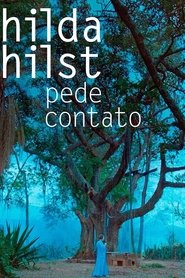
Hilda Hilst Pede Contato
Documentary about the poet, writer and playwright Hilda Hilst, considered by critics as one of the most important voices of the Portuguese language of the twentieth century. Through the use of personal sound and image files, interviews, meetings and fictional interventions, we will seek the memory and the presence of Hilda Hilst in her daily life at Casa do Sol, the farm where she lived in Campinas.
- 58
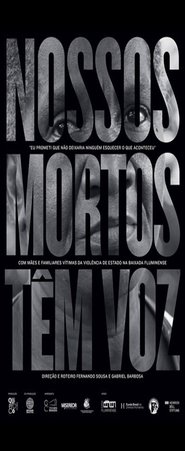
Nossos mortos têm voz
The documentary's narrative is constructed from the testimony and the protagonism of mothers and family members who are victims of the violence of the State at Baixada Fluminense
- 59
Ei, You! O Haiti antes do terremoto
The documentary reports on the social actions developed by the Brazilian government and NGOs in Haiti before the earthquake that hit the country in February 2010.
- 60
My Name Is Jacque
Jacqueline Rocha Côrtes is a 55 year old Brazilian transsexual woman who has been living with AIDS for the past 21 years. As a Human Rights activist and a militant for HIV-positive people, Jacque has had her life marked by struggles and achievements, including her role as a representative of the Brazilian government at the United Nations. Now married and a mother of two, Jacque lives in a small town, leading her life dedicated to motherhood and family. By tracking her daily reality and revisiting her story, the film addresses the diversity and shows the numerous challenges that have been disrupted by this extraordinary character, raising awareness on prejudice, homolesbotransphobia and gender identity.
- 61
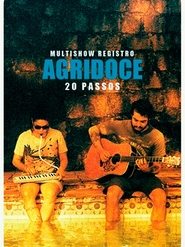
Multishow Registro: Agridoce – 20 Passos
To record their debut album, the duo Agridoce moved to a house in Serra da Cantareira. The idea was to be isolated from the world, in a pleasant environment and close to nature, in the spirit of the Agridoce sound. In addition to Pitty and Martin, Rafael Ramos (producer), Jorge Guerreiro (sound engineer) and Otávio Sousa (photographer and cameraman) spent 22 days working in a harmonious atmosphere and without any rush. In May, “Multishow Registro: Agridoce – 20 Passos” arrives in stores, the record of this season through the lens of Otavio Sousa. There are recording scenes, relaxed moments, music videos and songs that didn't make it onto the album, such as “La Javanaise”, by Serge Gainsbourg, “Alvorada” and “Bday”, composed by themselves.
- 62
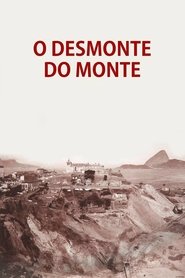
O Desmonte do Monte
Morro do Castelo was chosen by the Portuguese to found Rio de Janeiro city. It was an important historical and architectural reference. Despite its relevance, the hill was destroyed by urban reforms aimed to promote real state speculation.
- 63
A Primeira Pedra
The First Stone exposes the terrible face of intolerance, where angry lynch mobs take justice into their own hands. The documentary tells the story of lynching victims and investigates the shocking growth of this crime in Brazil where one lynching is registered everyday - the highest rate worldwide. A narrative with engaging characters and dramatic stories of lives that have been devastated by this violent trend in mob rule.
- 64
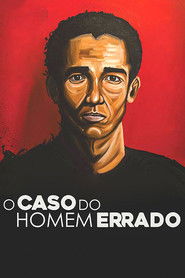
The Case of the Wrong Man
The documentary tells the story of Júlio César, a young Afro-Brazilian who was executed by the Police in the 1980s in Porto Alegre. The crime became notorious when the press published photos of Julius being put alive in the police car and arriving 37 minutes later shot and dead at the hospital.
- 65
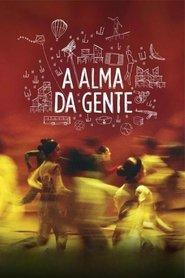
Our Stories, Ourselves
Sixty-six adolescents, residents of Favela da Maré, were selected to participate in a dance show led by the choreographer Ivaldo Bertazzo, which incorporated their own daily experiences. Ten years later, directors David Meyer and Helena Soldberg search for some of the participants of this experience.
- 66
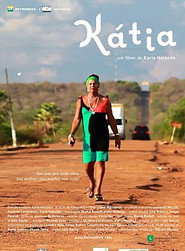
Kátia
Katia Tapety became the first trans woman elected as a politician in Brazil - councilwoman for three times and one time for vice-mayor. This film is the result of a 20-day-living period with her in her small town testifyng some of her experience and the impressions of those around her.
- 67

Minas do Futebol
Training daily from pre-adolescence to reach the top of women's football, a group of players goes through an unprecedented moment when they win a men's championship played at times by the Brazilian elite such as Corinthians and São Paulo. After being revealed to Brazil, it's time to finally shine.
- 68
O Brasil Deu Certo. E Agora?
3 ex-presidents of Brazil, 12 ex-ministers of State, 7 ex-governors of the Central Bank, bank owners and finance specialists tell the Brazilian economic history and speculate about the present and the future of the country. 125 years ago Brazil was a poor country with slavery. 60 years ago 50% of Brazilians were illiterate. 25 years ago inflation rate reached 84% a month and 35% of the population was extremely poor. In 2013, Brazil ranks the seventh world's largest economy, inflation reached 5,4% a year, poverty was reduced to 12% and the country is looking forward to be wealthy. Will it happen? Agile cutting, simple language and smart graphic arts allow the answer to this and other questions to be interesting and available to all audiences.
- 69
Lira Paulistana e a Vanguarda Paulista
Through testimonies from partners, workers, collaborators, artists, and people who followed the productions of Lira Paulistana, the film tells the story of this cultural phenomenon, a catalyst for the new musical trends of the time, which took place in São Paulo between 1979 and 1986. In addition to showcasing the undeniable importance of Lira Paulistana as a stage for avant-garde music in São Paulo, highlights its significant role in other areas, such as record production, journalism, editorial work, and the visual arts.
- 70

Praxis
Year after year, Portuguese students, from North and South alike, subject themselves to initiation rites when they start university. Hazings, organized by older students, include several challenges and ceremonies, which take place throughout the whole of the first year, day and night, and sometimes interfere with classes. Based upon ancient traditions and following a rigid hierarchy, hazings have thrived once again in the last decade. Despite protests, they gather more and more supporters, thrilled with its explicit sexual language, power games and levels of humiliation.
- 71

Esse Viver Ninguém me Tira
Aracy Moebius de Carvalho was head of the passport sector at the Brazilian consulate in Hamburg, Germany. There he met - and fell in love - with the writer Guimarães Rosa and processed several things to emigrate to Brazil, escaping Nazism. Aracy passed away forgotten, victim of Alzheimer's, but remains alive in the memory that only exists today thanks to her insubordination.
- 72
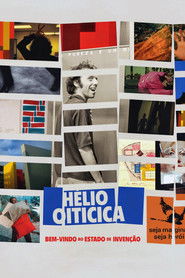
Inside Hélio Oiticica
Hélio Oiticica was one of the artists that most united reflection with artistic creation. His ideas and propositions, expressed not only in texts but also in statements and interviews, revolutionized art and culture, transforming him into one of the most important Brazilian artists of the 20th century. Foregoing voiceover narration and expert analyses, the film allows Oiticica himself to narrate his life and expound upon his art in his own words, and in extremely rare archival audio and visual material.
- 73

Traço Livre: O Quadrinho Independente no Brasil
Documentary about the universe of independent comics in Brazil.
- 74
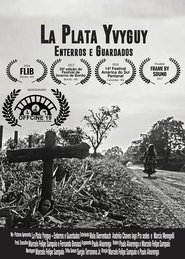
La Plata Yvyguy - Enterros e Guardados
The Legend of the Paraguay War Legend tells that during the Paraguay War (1864-1870), families that lived near the border and soldiers who were leaving for battle used to hide their valuable belongings by burying them in secret spots, in order to safely recover them after the war. In several cases, though, the only people who knew about the secret spots of those personal treasures died before they could go back to recover them. According to inhabitants of that region, the spirits of those tormented men would reveal the location of those "buried and hidden" treasures to chosen people in their dreams, visions or by haunting them. "The Legend of the Paraguay War" approaches local legends in a historic and literary way. Those legends were born from within the biggest conflict in South America, and were developed and influenced by the local imaginary view of the world and which can be conside
- 75
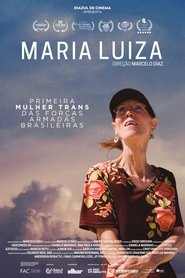
Maria Luiza
Maria Luiza da Silva is the first transgender in the history of the Brazilian Armed Forces. After 22 years of work in the military, she retired due to disability. The film explores the complex barriers she faced and her path of affirmation as a trans, military and Catholic woman.
- 76
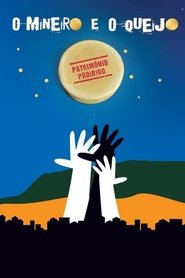
O Mineiro e o Queijo
The documentary tells how the artisanal cheese production technique arrived in Minas Gerais in the 18th century, brought by Portuguese adventurers in search of gold. Today, almost 30 thousand families live from the production of artisanal cheese throughout the state.
- 77
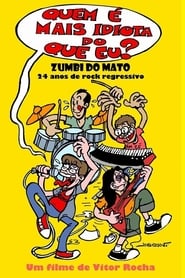
Quem é mais idiota do que eu? - Zumbi do Mato: 24 anos de rock regressivo
Documentary about the band Zumbi do Mato, known in the underground musical scene of Rio de Janeiro for the humorous and surreal songs, written in a style of flow of conscience and full of scathing allusions to popular culture.
- 78
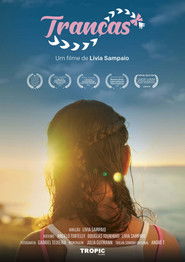
Tranças
Autobiographical documentary that brings the theme of parental alienation through the affectionate gaze of a Brazilian grandmother abruptly removed from her Argentine granddaughter after her son's marital separation. In the search for contact with the girl, a grandfather is faced with legal barriers, negative attorneys and several possible fr. During this tortuous journey, she meets people in a similar situation and is part of a worldwide solidarity network.
- 79
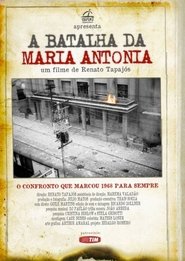
A Batalha da Maria Antônia
The documentary portrays the confrontation of students with agents of the military regime, which became known as "The Battle of Maria Antônia". The event took place at Maria Antônia Street, which housed the Faculty of Philosophy of USP and the Mackenzie Presbiterian University, ended with the death of the student José Guimarães and the arson of the Faculty of Philosophy.
- 80

Sócrates, The Artist
Directed by Martin Ainstein as part of the "Destino Futebol" series, the documentary, produced by ESPN Films, tells the moving story of former player and doctor Sócrates, who passed away on December 4, 2011. The documentary features testimonies from members of the former Corinthians player's family, including his brothers, among them the former player Raí, his mother, and his son Gustavo. Journalists Juca Kfouri, José Trajano, and Xico Sá are also interviewed, as well as musician Toquinho and former Corinthians and Brazilian national team teammates such as Zico and Wladimir. The production showcases Sócrates' time studying medicine in Ribeirão, his journey through the teams Botafogo de Ribeirão Preto, Corinthians, Fiorentina, Flamengo, and, of course, the national team. It's a great story told by people who knew the idol, remembering key moments of Sócrates' career as a doctor, player,
- 81

Cacaso
Cacaso, a Brazilian poet, lived in Rio de Janeiro. Born Antonio Carlos de Brito (1944-1987) he was one of the leaders of the marginal poetry movement. Cacaso filled notebooks not only with poems but reflections, drawings and collages. He also became a lyricist and partner of celebrated songwriters such as Tom Jobim, Edu Lobo, Toninho Horta, João Donato and Sivuca.
- 82
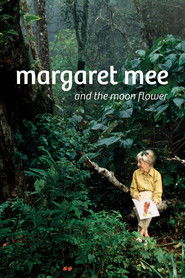
Margaret Mee and the Moonflower
Margaret Mee and the Moonflower is a documentary about the life and work of the botanical illustrator, Margaret Mee, a pioneer and a visionary, one of the most important artists of the twentieth century. Through her diaries, interviews and narratives, the film reveals a tireless advocate for the preservation of Brazilian flora, whose love of nature and whose art provide a constant reminder of the need to preserve our environment.
- 83
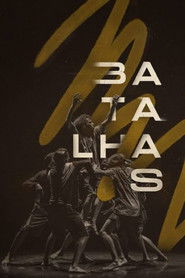
Batalhas
In May 2015, the Municipal Theater of Rio de Janeiro received, for the first time in its entire history, the show "Na Batalha" that narrates the history of funk through a contemporary dance born in the favelas of Rio, the passinho. That day Rio experienced a more democratic morning.
- 84

Eu Sou Carlos Imperial
The story of a legendary figure in Brazilian culture, the multifaceted Carlos Imperial. He was a convinced womanizer and cafajeste, he was a director and actor, created TV shows, composed songs like “Vem Quente que Eu Estou Fervendo” and “Mamãe Passou Açúcar em Mim”. In addition, he is responsible for launching big names in Brazilian music, such as Roberto Carlos, Elis Regina and Tim Maia.
- 85

Defiant Brasília
Avenida Brasília Formosa provides a sensorial insight into the contemporary reality of a neighbourhood that was tranformed following the removal of families to make way for the construction of a coastal highway. This is about film of encounters, memories and desires.
- 86

Uma Banda Made in Brazil
The Brazilian band Made In Brazil is featured in Guinness World Records as the group with the largest number of formations in the history of rock and roll. Also, no wonder, since the late 1960s, brothers Oswaldo and Celso Vecchioni have shared stages and studios with more than 200 groups of different musicians. This is their story, filled with rock and roll, some drugs and a lot of love for music.
- 87
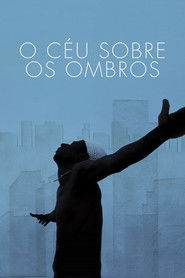
The Sky Above
Blurring borders between documentary and fiction, this film portrays a few moments from the lives of three people from Belo Horizonte: a transsexual prostitute and academic, a Hare Krishna soccer fan and a would-be writer.
- 88
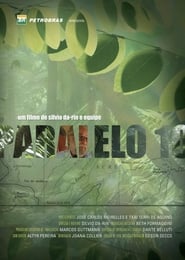
Paralelo 10
It portrays a pioneering and risky work carried out in a small Xinane base, by FUNAI, near Parallel 10º South, west of Acre, on the border with Peru. In simple installations, in the middle of the jungle, the sertanista José Carlos Meirelles carries out the difficult mission of protecting the isolated Indians of the region, with the help of anthropologist Terri Aquino. With few resources, specialists perform their tasks tirelessly. In addition to carrying out a permanent negotiation with the riverside populations in the area, they also deal with the confrontation with traffickers and squatters who try to invade it.
- 89
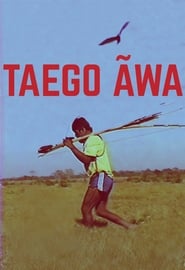
Taego Ãwa
The directors take five old VHS tapes documenting the Ãwas customs back to the tribe.
- 90

Napalm - the sound of the industrial city
Directed by journalist Ricardo Alexandre, the documentary tells the story of the Napalm nightclub, responsible for the new wave and post-punk generation in Sao Paulo. Mixing live shows, cutting-edge DJing and videos in its "modern" internal television system, the venue quickly became a meeting point for young people who shaped the grayer side of Brazilian rock in the 80s.
- 91
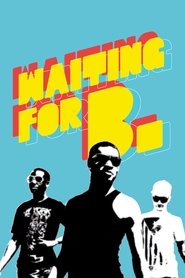
Waiting for B.
This observational documentary follows the journey of Beyoncé’s super-fans who, unable to pay for the most expensive tickets, camped out for two months to secure their front row spots. Living with this makeshift community bring to light important issues, such as economic class, black identity, homophobia, feminism, and what it means to make this sacrifice for a media phenomenon larger and more powerful than themselves.
- 92

Copinha, um Sentimento
A corner of the famous Copacabana neighborhood is dyed red and white and the gaucho accent speaks louder, echoing the chants of the Sport Club Internacional fans.
- 93
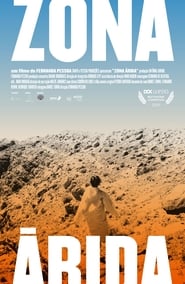
Arid Zone
In 2001, Fernanda was a 15-year-old Brazilian foreign exchange student in Mesa, Arizona, considered the most conservative city in the United States. Fifteen years later – and two months before Donald Trump’s election – she’s back to understand her experience there.
- 94
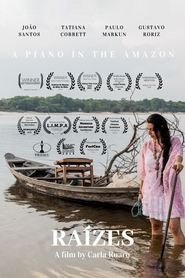
Raízes - A Piano in the Amazon
The pianist Carla Ruaro and her team embarked on a 40 days expedition which involved hoisting a piano onto a boat and traversing the Brazilian Amazon. In collaboration with local composers, the aim of this independent project was to take contemporary Amazonian music to remote riverside communities and an instrument they've never seen before. Through the acquisition and transportation of the instrument to the workshops and musical presentations for the communities along the river margins, the project also strengthens the bonds with hold together the riverside communities, an appreciation of the value of communities and artists.
- 95
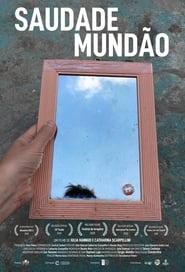
Enclosure
Through scenes of a repeating and limited daily routine, we get to know upfront the reality of marginalized women way before they were emprisioned. Saudade Mundão is a movie about human beings that takes place on the public jail of Franca, São Paulo.
- 96

Angel Vianna – Voando Com os Pés no Chão
Considered one of the most influential dancers of all time, Angel Vianna marked her name in history after founding the Klauss Vianna School with her husband. Taking the lead of the project, she created her own dance style, mixing body expression with classical ballet, and soon afterwards formed a transformation to dance in a course that has postgraduate lato sensu. Today, at the age of 90, she struggles to remain active and exercise her greatest passion.
- 97
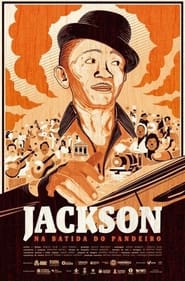
Jackson: Na Batida do Pandeiro
The life and career history of singer and percussionist Jackson do Pandeiro, whose originality and unusual rhythmic quality influenced several prominent artists in Brazilian popular music. With unpublished testimonies from professional colleagues and family members, as well as archival footage of their participation in cinema and radio, the documentary traces their journey between troubled relationships, dramas, controversies, stardom, ostracism, the return to the artistic milieu, even his death in 1982.
- 98
The Village
Far away from any other urban centers, Itapuã is a small community with the characteristics and rituals of everyday life. The location, which sheltered 1,454 people and has more than 70 years of existence remains with only 35 residents all over the age of 60. No one likes to remember what the place was in the past, even though for many the memory is etched on their bodies.
- 99
Landfill
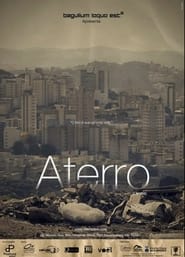
Landfill is a documentary that emerged from the perception of a paradox in relation to litter. While most people want to get rid of it, I met some ladies, pioneers of recycling, that they miss the trash from others in side of the house. From the time where I met up making the film, many things happened, both in the media, with all the newly fallacious discourse of sustainability, and in my personal relationship with the trash, when I became the 'householder. ' This is a film of these seven women, who are truly experts.
- 100
Lobão – Decadence Avec Elegance
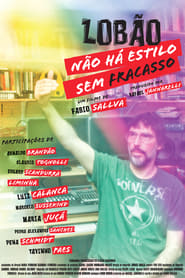
"Lobão - Não Há Estilo Sem Fracasso" investigates the artistic career of Lobão, one of the most famous musicians of brazilian rock in the 80s. From some interviews with people such as Edgard Scandurra, Liminha and Marcelo Sussekind, this short movie shows various points of view about music industry and it presents hits of Lobão such as "Das Tripas Coração" and "Mal de Amor".