 trailers.fm
trailers.fm / Guide / Documentary + Russian
Russian documentary films
The best 100 of 252
- 1
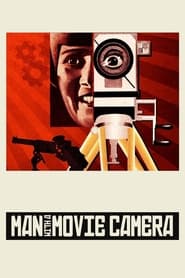
Man with a Movie Camera
A cameraman wanders around with a camera slung over his shoulder, documenting urban life with dazzling inventiveness.
- 2

Triumph Over Violence
Romm pulls out all the stops in its selection of documentary material to draw the viewer not only into absolute horror about fascism and nazism in the 1920s–1940s Europe, but also to a firm conviction that nothing of the sort should be allo
- 3
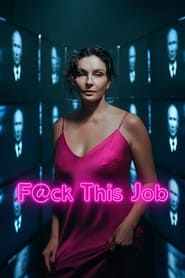
F@ck This Job
In 2008, Natasha, a newly rich woman, decides to open an independent TV station in Russia and builds an open-minded team of outcasts. By 2020, Natasha has lost everything to Russia's war between Propaganda and Truth.
- 4
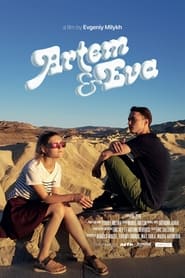
Artem & Eva
Artem loves Yulia, Yulia loves Artem. They recently graduated from school, moved to Moscow and began an independent life. In search of part-time jobs, Artem comes up with the idea of creating another image from Yulia - Eva Elfie - and mak
- 5
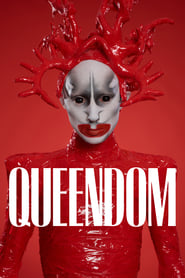
Queendom
In defiance of Russia’s anti-LGBTQ laws, a queer, 21-year-old artist risks her life performing in surreal costumes throughout Moscow. Jenna Marvin’s radical public performances blend artistry and activism in this SXSW documentary.
- 6
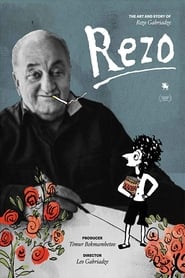
Rezo
The rich inner world of famous Georgian theater and film director, artist and puppeteer Rezo Gabriadze is as fantastic as the animation into which he has poured this story of his life. Rezo’s director son Levan "Leo" Gabriadze, who previously made the horror film Unfriended (2014), leaves it to his father to talk about a life suffused with magical thinking.
- 7
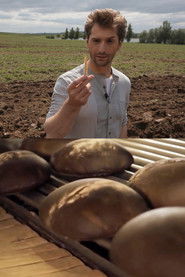
Bread
A unique project, the popular science series "Bread" is shooting around the world, interviews with scientists and world-class experts. There are 4 series in the project: "Immortality", "Money", "Hunger" and "Gene". This is a story about how bread controlled the destinies of continents and empires, how the rise of some civilizations and the fall of others depended on it, how in different countries and at different times it performed the function of money. This is the first time such a complete study of bread and grain is being carried out on a television screen. The focus is on the most interesting events in the history of Russia, Italy, France, Germany, England, China, Egypt and other countries.
- 8
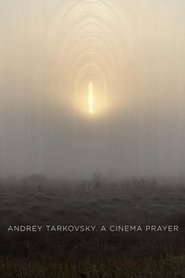
Andrey Tarkovsky. A Cinema Prayer
An account of the life and work of Russian filmmaker Andrey Tarkovsky (1932-86) in his own words: his memories, his vision of art and his reflections on the fate of the artist and the meaning of human existence; through extremely rare audio recordings that allow a complete understanding of his inner life and the mysterious world existing behind his complex cinematic imagery.
- 9
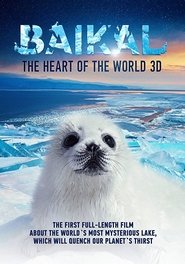
Baikal: The Heart of the World 3D
Baikal is the oldest, the deepest and the purest lake on the planet. But it's not only that - Baikal is an ideal model of our world, as it shall be. Everything is possible here: to walk on water, to touch the sky, to talk with the universe. Baikal is our hope and our future. It's a film about the thirst, about the eternity and about all of us. The genre is epic documentary. The aim is to change the world.
- 10
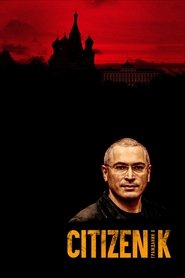
Citizen K
The strange case of Mikhail Khodorkovsky — once believed to be the wealthiest man in Russia — who rocketed to prosperity and prominence in the 1990s, served a decade in prison, and became an unlikely martyr for the anti-Putin movement.
- 11
Close Relations
Vitaly Mansky’s intimate and insightful new documentary finds him crisscrossing Ukraine in the wake of the Maidan uprising, which has left his relatives scattered on both sides of a highly charged and dizzyingly complex political situation.
- 12
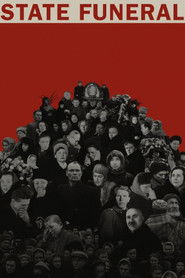
State Funeral
The enigma of the personality cult is revealed in the grand spectacle of Stalin’s funeral. The film is based on unique archive footage, shot in the USSR on March 5 - 9, 1953, when the country mourned and buried Joseph Stalin.
- 13
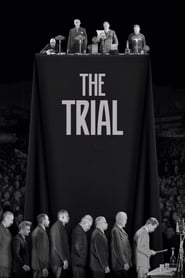
The Trial
In 1930 in Moscow, USSR. the Soviet government puts a group of top rank economists and engineers on trial, accusing them of plotting a coup d'état. The charges are fabricated and the punishment, if convicted, is death.
- 14
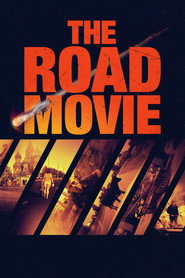
The Road Movie
Anything can happen on Russian roads and is precisely shot by the dashboard camera. Super-objective video registration grows into the strong image of Russian national character – with its permanent awaiting for the miracle and habitual approach to real dramas. A forest on fire as a symbol of Russian hell, a military tank at a car wash and car chase in the vicinity of Kremlin shot with a dashboard cam at the same time when Boris Nemtsov, the leader of political opposition, was shot dead near Kremlin. Dashboard cam depicts life in it’s purity as an unbiased observer.
- 15
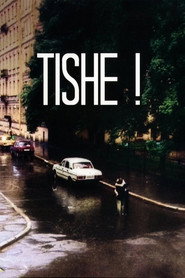
Hush!
The director films the street where he lives in St. Petersburg, for a whole year, documenting the changes caused by the celebration of its 300th anniversary.
- 16
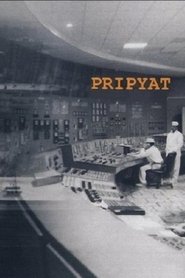
Pripyat
After the catastrophe in 1986, a 30-km restricted zone was erected around the Chernobyl nuclear power plant, and 116,000 persons were evacuated from this area. Pripyat is a portrait of the people who still live and work there, and of those who have moved back. What is life like for these people, a life with the invisible and incomprehensible danger of radioactivity? How do they deal with the aftereffects of an accident which is claimed to be statistically improbable? Four protagonists tell their stories and provide a look at everyday life in “their“ zone.
- 17
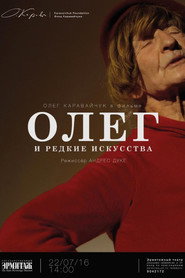
Oleg and the Rare Arts
The legendary Oleg Nikolaevitch Karavaichuk is the mysterious and moving subject of this loving film by the young director Duque. He was moved by the music the pianist composed for a film by Kira Muratova and is the first foreigner to win the trust of the eccentric and still active 89-year-old Russian.
- 18
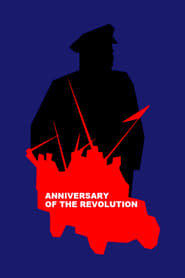
Anniversary of the Revolution
A chronicle of the Russian Revolution of 1917, from the bourgeois democratic February Revolution to the great socialist October Revolution and the final triumph.
- 19
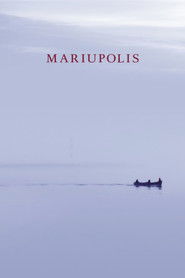
Mariupolis
The city of Mariupolis is by the Azov sea. It is also on the river Kalmius. Most of the city’s residents, half a million according to the last census, are working for the steel factory and do fishing, for leisure or food, in between shifts. The orthodox church towers above the city and its newly build bronze domes are sitting next to it, waiting to be donned. A tent near by is sheltering a crying icon, which receives a steady flow of visitors.
- 20
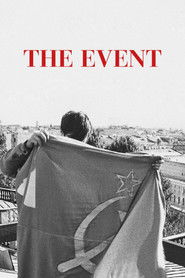
The Event
In August 1991 a failed coup d'état attempt (known as Putsch) led by a group of hard-core communists in Moscow, ended the 70-year-long rule of the Soviets. The USSR collapsed soon after, and the tricolour of the sovereign Russian Federation flew over Kremlin. As president Gorbachev was detained by the coup leaders, state-run TV and radio channels, usurped by the putschists, broadcast Tchaikovsky's "Swan Lake" instead of news bulletins, and crowds of protestors gathered around Moscow's White House, preparing to defend the stronghold of democratic opposition led by Boris Yeltsin, in the city of Leningrad thousands of confused, scared, excited and desperate people poured into the streets to become a part of the event, which was supposed to change their destiny. A quarter of a century later, Sergei Loznitsa revisits the dramatic moments of August 1991 and casts an eye on the event which was
- 21
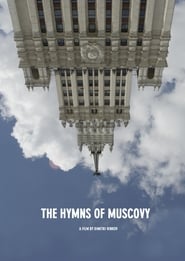
The Hymns of Muscovy
The film is a trip to the planet Muscovy - an upside-down twin city of Moscow in space. As the title of the work suggests, the journey also takes us back in time. Gliding over the surface of the planet, we look down and see historic architectural styles fly by - the exuberant Socialist Classicism, aka Stalinist Empire, the austere and brutish Soviet Modernism, and the hodgepodge of contemporary knock-offs and revivals of the styles of the past. An essential companion to this journey through time and space are Hymnic Variations on the Soviet anthem.
- 22

I Don't Believe in Anarchy
The film details the early years of the legendary Siberian Punk/Rock group 'Гражданская Оборона' (Grazhdanskaya Oborona), and its frontman, Egor Letov.
- 23
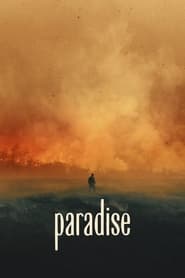
Paradise
In 2021, an extreme heatwave gave rise to huge wildfires in the vast subarctic forests of Sakha, a northeastern republic in Siberia. The village of Shologon lies in this taiga landscape, shrouded in orange smoke and black ash. The forest is burning and the flames are approaching fast.
- 24
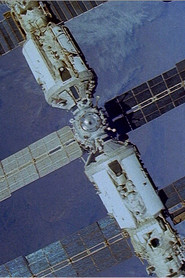
Out of the Present
In May 1991 Soviet cosmonauts Anatoly Artsebarksy and Sergey Krikalev visit space station Mir in space mission Ozon. Artsebarski, the commander, returns to Earth according to plan 5 months later. Krikalev has to stay in space for ten months because of the chaotic political situation in his home country. He left the USSR to return to Russia. The 1991 coup ends an important era.
- 25
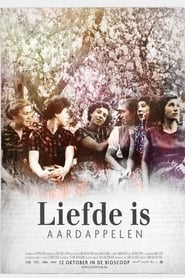
Love Is Potatoes
One day, Dutch film maker van der Horst was given her inheritance: 6 square meters, one sixth of a small, wooden house in the Russian countryside where her mother grew up. It was as if life had handed her a card she felt forced to play. She began a journey into the past, back into the childhood of her Russian mother and her five sisters, all of whom struggled with fear, famine and war in Stalin’s Russia; experiences that left them scarred to their very soul. Aliona’s quest into the lives and fate of her family becomes a loving, poignant, and poetic film with Chekhovian characters. Accompanied by the magical animation of acclaimed Italian artist Simone Massi, unimaginable events in the Soviet past are given an immediate charge. Along with the stories of ordinary people living in the small farmhouse, the film maker tells the tale of Soviet terror, immense bravery and a fear that has never
- 26
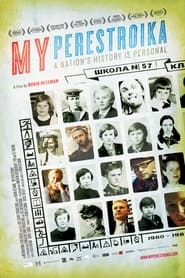
My Perestroika
Tells the story of five people from the last generation of Soviet children who were brought up behind the Iron Curtain. Just coming of age when the USSR collapsed, they witnessed the world of their childhood crumble and change beyond recognition. Through the lives of these former schoolmates, this intimate film reveals how they have adjusted to their post-Soviet reality in today's Moscow.
- 27
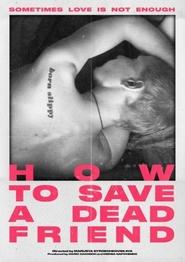
How to Save a Dead Friend
Marusya is 16 and, like many Russian teenagers, is determined to end her life. Then she meets her soulmate in another millennial, Kimi. They spend a decade filming the euphoria and anxiety, the happiness and misery of their youth, muzzled by a violent and autocratic regime in the midst of a “depressed Russia”. This film is a cry from the heart, a tribute to an entire silenced generation.
- 28
Victory Day
Every year, on the 9th of May, people gather in Treptower Park in Berlin. They come dressed in their best outfits or in Soviet military uniform. They carry flags, banners and posters. They lay flowers at the monument to the Soviet soldier; they sing, dance and drink. They celebrate the victory of the Soviet Union over Nazi Germany.The film is a direct reportage from Treptower Park 72 years after the victory.
- 29
Babi Yar. Context
Nazi troops massacre 30,000 Jews over a three-day period in September 1941. Babyn Yar ravine in Kyiv, Ukraine.
- 30
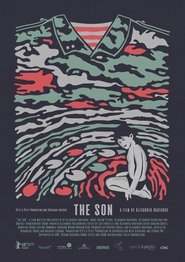
The Son
In 2013, Dima Ilukhin, the cousin of the film’s director and a soldier in the Russian army, died on duty in the Republic of Dagestan in the North Caucasus. He was 21 years old. This incident marks the starting point for Abaturov’s reflection on the military. He films the training of new recruits in Siberia, as they bid farewell to their mothers and girlfriends, learn the mechanics of a Kalashnikov, or how to throw a hand grenade and administer first aid. While his parents try to cope with their loss, Dima’s former fellow recruits have to return to battle.
- 31

Putin's Witnesses
Russian Federation, December 31, 1999. After President Boris Yeltsin's unexpected resignation, Prime Minister Vladimir Putin becomes acting president of the country. From that day and for a year, Vitaly Mansky's camera documented Putin's rise to power. The story of a privileged witness. The harsh explanation of the reason why politics is the art of possibility of achieving the best with the support of many, but also of giving the worst in return.
- 32
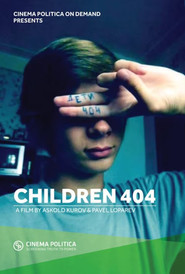
Children 404
In 2013, Russian President Vladimir Putin passed a bill forbidding the “promotion of nontraditional sexual relations to minors.” LGBT youth, now defenseless against insults and intimidation under this “gay propaganda” law, are considered sick, sinful and abnormal. Psychologists, teachers and even parents can be fined or imprisoned for supporting them. Forty-five Russian teens and tweens share their stories through anonymous interviews and video diaries. They detail their humiliations and discriminations, as well as their courageous stands against bullies. Their testimonies are collected online as the Children 404 project, named after the common “error 404 - page not found” web message. The support group’s founder struggles within the system to bring public attention and empathy to the victims of this government-endorsed hate, while activist Pasha decides he must leave his homeland altoge
- 33
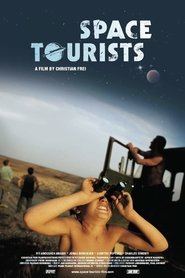
Space Tourists
In his most recent work, Christian Frei turns to an age-old dream of man: to leave our planet as a «normal person» and travel into outer space. For 20 million dollars, the American Anousheh Ansari was able to fulfil this childhood dream. This documentary follows her journey into space and shows everyday life as it is on the International Space Station.
- 34

Engineering Red
Set to readings of Thomas Mann's 'The Magic Mountain', a collage of medical, art and found footage, exploring various medical cases, including reconstructing the damaged human body, the separation of Siamese twins, and Cold War era attempts
- 35
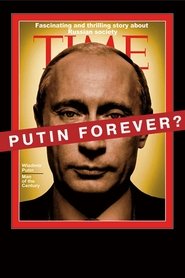
Putin Forever?
Russian Federation, May 6, 2012. On the eve of the ceremony of inauguration of Vladimir Putin, elected for a third term, the police brutally repressed a march of protest over the lack of freedom existing in the nation. Some people believed that this demonstration would be the beginning of a peaceful revolution, but it was the day when silence and fear won the game. Realize what happens when a person has too much power in his hands.
- 36
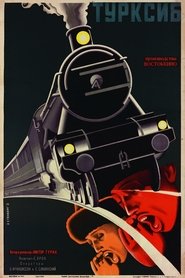
The Steel Road
Bold and exhilarating documentary account of the building of the Turkestan-Siberian railway, presented as a heroic triumph of Soviet progress over natural adversity.
- 37

The Eleventh Year
The film is dedicated to the achievements of the Ukrainian SSR for the eleventh anniversary of the October Revolution.
- 38
The Term. Beginning of a Big Story
The documentary project The Term was conceived in May 2012. When the directing trio commenced mapping the Russian sociopolitical landscape, Vladimir Putin had just settled into the Kremlin for his third term. The original experimental forma
- 39
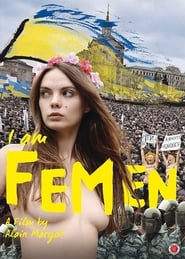
I Am FEMEN
Oxana is a woman, a fighter, an artist. As a teenager, her passion for iconography almost inspires her to join a convent, but in the end she decides to devote her talents to the Femen movement. With Anna, Inna and Sasha, she founds the famous feminist group which protests against the regime and which will see her leave her homeland, Ukraine, and travel all over Europe. Driven by a creative zeal and a desire to change the world, Oxana allows us a glimpse into her world and her personality, which is as unassuming, mesmerising and vibrant as her passionate artworks.
- 40
The History of the Civil War
The epic story of the Russian Civil War (1918-21): the White Terror, the counterrevolutionary uprisings, the guerrilla war, the Kolchak front, the Wrangel front and the Kronstadt rebellion. Chaos and violence, devastation and death.
- 41
Anton's Right Here
How is it possible to feel someone elses pain? The hero of this film is an autistic boy. His life is divided between an apartment with peeling walls on the outskirts of a large city, and a mental hospital. Anton comes into the frame when he is on the point of becoming a patient at a residential neuropsychiatric institution, a place where people with the sort of diagnosis that he has do not live long. The author, the camera, the hero. The distance between them shrinks with every passing minute, and the author has to enter the shot and become a character in the story. However, it is not a story about how one person helped another, but about how one person recognized herself in another. About how there is Another who lives in each of us and must be destroyed every day inside of us in order to survive.
- 42
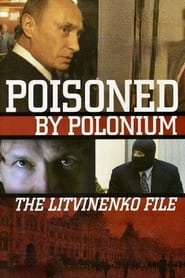
Poisoned by Polonium
This documentary follows ex-spy Alexander Litvinenko from his forced exile from Russia, to his death from poisoning in November of 2006.
- 43
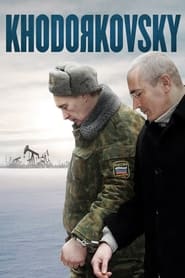
Khodorkovsky
Khodorkovsky, the richest Russian, challenges President Putin. A fight of the titans begins. Putin warns him. But Khodorkovsky comes back to Russia knowing that he will be imprisoned, once he returns. When I heard about it, I asked myself: why didn't he stay in exile with a couple of billions? Why did he do that? A personal journey to Khodorkovsky.
- 44
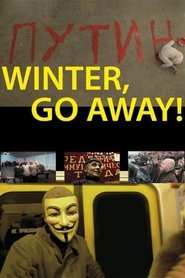
Winter, Go Away!
Ten director graduates from Marina Razbezhkina’s School of Documentary Film and Documentary Theatre lived with a camera for two months in order to chronicle the last “Russian winter” and its popular uprising against Vladimir Putin’s presidential run. People, faces, conversations, protests, failures and triumphs come together to chronicle the campaign.
- 45
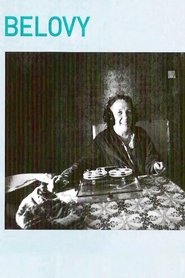
The Belovs
Portrait of a troubled peasant family. The film tells the story of two times widow Anna Belova who lives together with her brother Mikhail. Blending the two personalities, Kosakovsky characterizes the true Russian soul: she is the rational worker, honest and strong - he is the drunken poet, the idealist, his philosophy fades into radical nonsense time after time.
- 46

Blin Cat
A video essay about a conversation the director had with a friend about a particular picture of a cat sitting in front of a plate of blins.
- 47
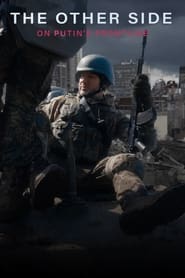
Ukraine's War: The Other Side
The documentary follows filmmaker Sean Langan's journey into the invader’s Russian side of the war in Eastern Ukraine. Sean heads into the Russian-occupied Donbas region to find out through the eyes of soldiers on the Eastern front and civilians coping with war in the streets how the conflict is affecting them.
- 48
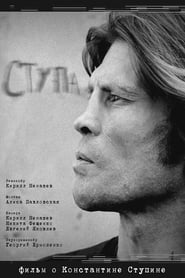
RocknRolla
Konstantin Stupin or just Stupa - rock-n-roller from Orel. He is 44 years old, we take him out of the madhouse and start making a film. Stupa in the last years of the existence of the USSR, as a schoolboy, decided to make music. He became the leader of the Oryol group Night cane: performances at school with songs about hell, sex, drugs, with texts like “take the Communist Party forgotten by everyone, drop two letters and get the SS”. Then the big scenes of the city and, as a result, the “Festival of Hopes”, organized by Artemy Troitsky, where the Night Cane, being the only non-Moscow group, receives a prize of audience sympathy. The texts for the festival have already become different, much deeper and more serious, but with constant protest in content and form.
- 49
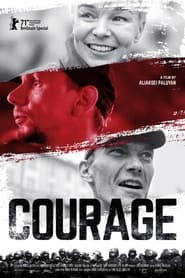
Courage
Maryna, Pavel and Denis belong to an underground theatre group in Minsk, Belarus. In the course of the 2020 presidential elections, they take part in the peaceful mass protests, together with thousands of people. They narrowly escape arrest and torture. What unites them is the hope for freedom of speech and democracy.
- 50
Major Grom: Plague Doctor. Behind the Scenes
Additional materials for "Major Grom: Plague Doctor" (2021).
- 51

Ghosts: Soldiers of a Forgotten War
The Donetskyi village is on the border between the unrecognized Luhansk People's Republic and the Lugansk region of Ukraine. Residents of the village live in destroyed houses, under constant Ukrainian shelling. For seven years the «Ghost» battalion has been holding the front line to protect its people. To capture 'ghosts' daily work, the film crew operated in the midst of intense gunfire and mortar attacks. The battalion commander, code-name ‘Negro’, says that for many guys the war has turned into a job. Of course, they are tired and dream of returning home, but so far they just try to survive and protect their loved ones.
- 52
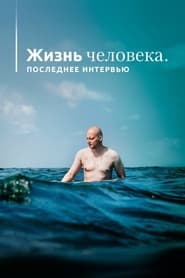
The Life of a Man. Last Interview
In March 2018, oncologist Andrey Pavlenko learned that he had stomach cancer. For almost two years, Andrey struggled with the disease and simultaneously performed operations, created his own department in the clinic, and launched his own charitable foundation. All this time, it was filmed by the team of special projects of the portal "Such things". Andrey's chances of recovery were about 50-50. Eight rounds of chemotherapy, stomach removal, recovery, community service, and depression are what he went through during the treatment. On January 5, 2020, Andrey died. Before his death, realizing that there was not much time left, he gave one last interview. It became the basis of the film.
- 53
Odesa Manholes
We often see these children on our streets... A short documentary about those who live among us, under the manhole covers of Odesa.
- 54
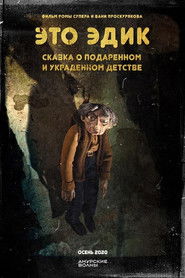
This Is Edik
He gave us an unforgettable and unique childhood. What was the great Russian storyteller really like? A documentary film about Eduard Uspensky.
- 55
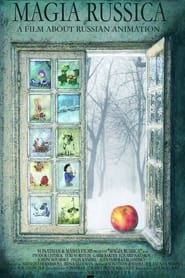
Magia Russica
A poetic view of Russian animation and of cultural and social transformations Russian society has been gone through. It is about multi faceted and humorous animation, almost never exposed to western eyes.
- 56
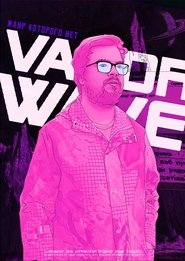
Vaporwave. Жанр, которого нет
- 57
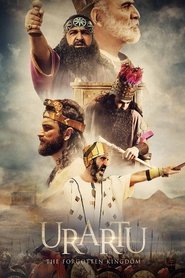
Urartu: The Forgotten Kingdom
In the Bible, Urartu was the most ancient state on Earth. It was there where Noah’s ark stopped, and there where humanity found its salvation. The locals had a developed culture, economy, astronomy, and religious life. According to scientists’ latest discoveries, the culture of Urartu was the most advanced in the ancient world. And it had a great impact on the Persian Empire of the Achaemenids and ancient Greece. Due to a lack of research, Urartu is probably one of the most mysterious states in history. This documentary will introduce us to its unique background.
- 58
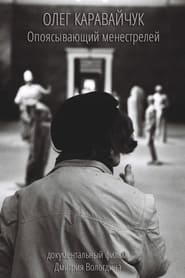
Oleg Karavaichuk. Encircling Minstrels
Legendary St. Petersburg composer Oleg Karavaichuk strolls through the Hermitage accompanied by his music. A seething genius among the masterpieces and interiors of the Winter Palace similar to himself.
- 59
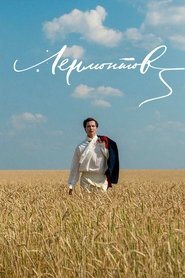
Lermontov
200 years ago, the Russian poet Mikhail Lermontov was born. The young man with huge eyes: his portrait is known to everyone since school. Lermontov wrote poetry, fought, fell in love, and was killed in a duel. Short life of 27 years. But what do we know about the real Lermontov? Biographical documentary-feature film tells in detail about the life of an outstanding person and a great poet.
- 60
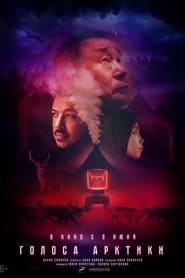
Voices Of The Arctic
A large-scale film journey beyond the Arctic Circle, which combines the secrets of shamans and life in the Arctic desert, modern technological process and the struggle of small peoples for their traditions and culture. The film consists of three independent short stories, which are connected by Denis Simachev. He sets off on a journey through the Russian Arctic in search of unique musical tunes.
- 61
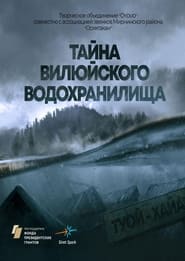
Secret of the Bülüü Reservoir
The film tells about the difficult fate of the inhabitants of the Tuoi Khaya village, which was flooded under the Bülüü (Vilyui) Reservoir. About the hardships and suffering of the 500 residents who were forcibly evicted from their homes in various ways and were promised new housing. Despite promises of both Soviet and republican authorities, so far the residents and their children haven't received any compensation. However, the most difficult ordeal for many was the loss of their small homeland.
- 62

Sex in the Soviet Union
A gripping journey through seven decades of sexual ignorance, oppression, and suffering, brought to life through the words and experiences of the first Soviet sexologist. Ukrainian survivors of the regime courageously recount the harsh realities they endured, from the pervasive suppression of sexual expression to the rampant exploitation and abuse that plagued Soviet society.
- 63
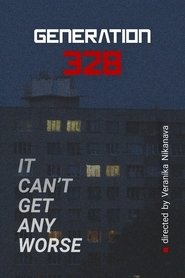
Generation 328
There are around 10 thousand imprisoned for minor drug-related offences in Belarus. Young people caught using cannabis are forced to work hard for the state in penal colonies across the country. Generation 328 is a story of mothers who are living everyday life with a single hope: to bring home their unfairly convicted children. How far will the mothers go to find justice for their children?
- 64
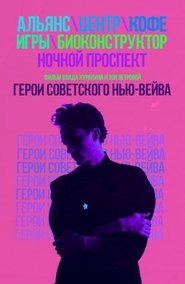
Heroes of the Soviet New Wave
The film tells about the birth of a new wave in the USSR under a strict political regime and about the era of "perestroika", when musicians received freedom of expression.
- 65
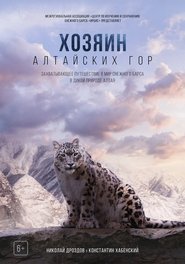
Owner of the Altai Mountains
The plot takes place in the Altai Mountains, where snow leopards, rare and majestic predators, face the threat of extinction. The main character of the film is a baby snow leopard, who has just been born, whom the staff of the Sailyugemsky National Park name Tural, which means "immortal" in the Altai language. He got this name after all his fellow badgers died during the winter feeding season, and Tural turned out to be the only survivor. But when the threat to life has passed, the baby suddenly disappears from the field of view of the staff of the National Park. Will he be able to survive in the wild? And will he ever return to his native Sailugem?
- 66
I Bet on Zero: Story of Kofe
- 67
Techno Romancers
- 68

The Tundra Book. A Tale of Vukvukai, The Little Rock
72 years have passed as deer herder Vukvukai lives in the depths of Chukotka. He is an old man full of energy and wisdom - the 'real man of the tundra' whose life can not be seen apart from by the deer. His people take care of a huge herd - over 14,000 deer. Their life is a non-stop struggle for survival and well-being in the most harsh weather conditions of Chaun-Chukotka. They deeply believe in the strength of tradition and so succeed in their struggle. The ancient culture of Nomadic Chukchi takes care of them, so they preserve and follow it. As far as it is now - their realm remains stable.
- 69
The Funeral of Vera Kholodnaya
This film records the vast public response to the early death of Vera Kholodnaya, the first star of Russian cinema.
- 70
At Their Fingertips
Nadia Kuznetsova is 28 years old, she lives in Veliky Novgorod, graduated from school and University here, and dreams of going to the sea - and getting her fingers back. Nadia has a rare genetic disease-epidermolysis bullosa, which is called "butterfly syndrome". The patient's skin is injured by any touch. The disease is incurable: as Nadia herself says, "I don't fight it – I live with it." She is fighting for something else - to lead the life of an ordinary person.
- 71
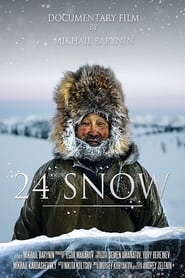
24 Snow
Like a lone cowboy, Sergei passionately devotes his life to traditional horse breeding in the impenetrable Arctic Sakha; permafrost and the absence of roads, electricity and channels of communication mean that there is nobody else to rely on but oneself. Sergei is sensitive and introspective; he truly cares about his family, community and treats nature with the utmost respect. He loves the independence and freedom this life brings, despite the immense sacrifices that it necessitates, such as total isolation and being a stranger to his own children. Spectacular camerawork characterizes the Sakha horses in all their magnificence, and juxtaposes the post-soviet towns and the boundless taiga landscapes, where the cold bites through the screen.
- 72
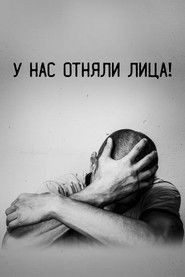
Our Faces Have Been Taken Away
The film tells the story of modern slavery from the perspective of the only Russian organization carrying out mass rescue missions both within the country and abroad.
- 73
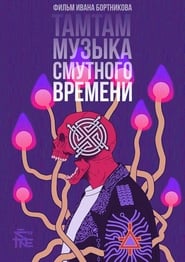
TaMtAm - Music of the time of troubles
Documentary film about the first St. Petersburg music club TaMtAm. It existed since 1991 upon 1996 and was held by Vsevolod Gakkel, ex-cellist of "Аквариум". The concept was modelled on cult NY club CBGB-OMFUG. Despite its controversial history this is the place where a new generation of Russian punk music was discovered.
- 74
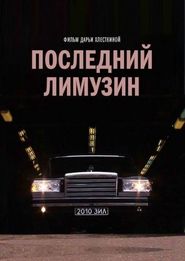
The Last Russian Limousine
Faced with the relentless demise of the factory they work at, Mikhail, Andrey, Nina, Vladimir, Nadia and Luda – bosses, foremen, engineers and workers at the giant Moscow automobile plant ZIL – cling to their established routines and professional pride to stay upright in a world which is crumbling around them. When an order comes in to produce three of the factory’s legendary hand-made limousines, once the centerpiece of Soviet military parades on Moscow’s Red Square, Mikhail’s team of hand-picked specialists throws itself at the opportunity to show what they are worth.
- 75
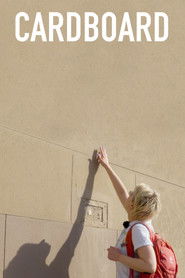
Cardboard
After the war began, memorial plaques bearing the names of victims of repression started being torn down far more often than before. The Last Address project didn’t have the resources to keep up with the vandalism. A group of activists stepped in: they began making temporary cardboard plaques and set out to track down those responsible.
- 76
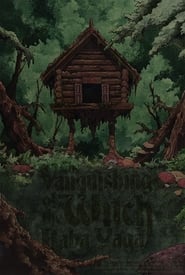
The Vanquishing of the Witch Baba Yaga
A descent into Eastern Europe's haunted woodlands uncovers the secrets, fairy tales, and bloody histories that shape our understanding of man's place in nature.
- 77

Case of Cherie
The documentary is about notorious criminal case resounded in 2009. Two young men devoted to gothic subculture were accused of cannibalism and cold blooded murder. Both convicts claim for false accusation and also that criminal case is lacking the evidence of crime. The director of the documentary got criminal case papers and presented the alternative version of this story.
- 78
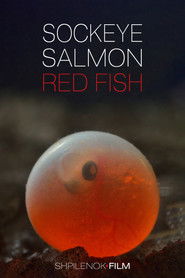
Sockeye Salmon. Red Fish
Sockeye, a species of wild salmon, is born in Kamchatkan waters and spends its entire life in the Pacific Ocean. Only once does it return to fresh waters — to give offspring, start the circle of life, and die. It is an inexhaustible resource that feeds billions of people on the planet, restored every year. But soon, we may find ourselves facing the unimaginable: humans will exhaust the inexhaustible.
- 79

Ilyenkov
The Soviet philosopher Evald Ilyenkov tries to purge Marxism of ideological cliches, but is rebuffed by his colleagues and the Soviet authorities. The struggle for a true philosophy turns into a tragedy for him and his family.
- 80
Third-class Travel
Travel the longest railway in the world. Stories and destinies of ordinary Russians who met by chance on the Moscow-Vladivostok train. A kaleidoscope of passengers' stories develops into a social portrait of modern Russian society, and the endless road turns into a metaphor of a country that is constantly moving somewhere.
- 81
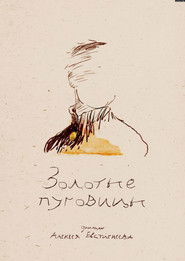
The Golden Buttons
“Everyone can accomplish a heroic act in their life” hammers home the instructor. But such a destiny is prepared for in the presidential school of cadets that trains volunteer teenagers to serve in the National Guard created by Putin in 2016. Alex Evstigneev photographs these future heroes, whose extreme fragility on the verge of an iron indoctrination he reveals with sound and images.
- 82
Returning The Names 2025
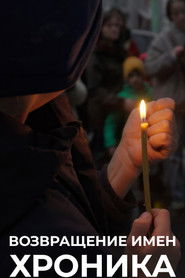
Since 2020 organizers of “Returning the Names” have been repeatedly denied authorization. In Moscow, the main public readings are effectively banned, formally due to lingering COVID-era restrictions. In 2022 Russia’s Supreme Court liquidated the International Memorial, and pressure on the memory movement intensified. With mass gatherings impossible, activists seek legal ways to keep the ritual alive. “Returning the Names” is an annual commemoration in which participants read aloud the names of people executed during the Great Terror. Since 2007, thousands have joined across Russia and abroad on the eve of the Day of Remembrance for Victims of Political Repression. Traditionally Muscovites gathered at the Solovetsky Stone on Lubyanka Square, opposite the security services’ headquarters. Now the readings scatter across the city, during historical walks or in forests at mass graves. With no
- 83
Album 61
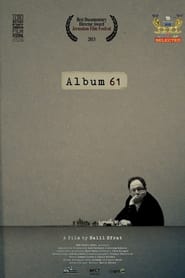
The World Chess Championship is a juicy battle, rife with passion, power and money. Boris Gelfand has spent his entire life getting ready for this moment; he was raised to become a champion since the age of six. His father devoted all his life to cultivating Boris' talent while obsessively documenting the process. The photo albums tell the father's story as much as that of the son, revealing a simple truth about a man living his own dreams through his son under the Soviet regime. Can any child, given fine Soviet education, become a genius? And is becoming a genius worth the price?
- 84
The Country and Science
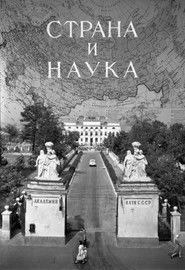
The Voronezh Nuclear Power Plant reactor; Novgorod’s archaeological excavations. Archaeologist Boris Rybakov on importance of historical science. Lenin’s Materialism & Empirio-Criticism. The first university dept of natural compound chemistry in the Soviet Union, located in Tashkent, Uzbek SSR. Agriculturalist Pavel Lukyanenko develops winter wheat varieties at Krasnodar Research Institute of Agriculture. French physicist Hubert Curien on USSR–France collaboration in nuclear physics. Foreign members of the USSR Academy of Sciences: Albert Einstein, Max Planck, Niels Bohr; theoretical physicist Igor Tamm on nuclear transformations in planetary & meteoritic matter, study of the Moon in relation to the Earth’s evolution. Dedicated to the 250th anniversary of the founding of the Academy of Sciences. Archival film, photographs, manuscripts, books, interviews from Academy members, explore its
- 85
Loft-Underground
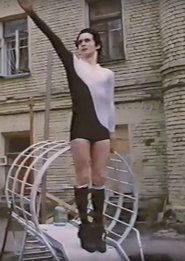
The film tells about the Moscow art underground through the history of Moscow squats. What does it mean to live today and not adjust at a time when the king of Oats took away, as it seems to us, all the fairy tales?
- 86
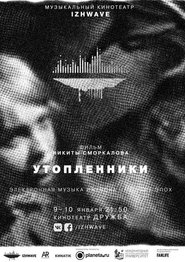
The Drowned
The film details the independent electronic scene of the 80s and 90s in the industrial city of Izhevsk (USSR). Today so called "Izhevsk electronic wave" is an important underground phenomenon in the history of modern Russian music. Appearing: "СД", "Стук бамбука в XI часов", "Красивая пришла", Rodesia, "Самцы дронта", "Организация сна", "Новые испанские кролики", Velvet & Velvet Dolls, "Вторая африканская охота", Lancer, Virgo Intacta, Birdwood, Digital Meet, "Юка".
- 87

Yakutia — Between The Worlds
A documentary road movie. Traveling across his homeland, the filmmaker explores what Yakut cinema is, and what it means to the Sakha people and to himself.
- 88
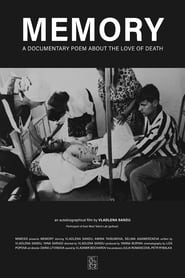
Memory
After her parents’ divorce, six-year-old Vladlena moves from Crimea to Grozny, not yet aware of the changes that lie ahead. When war breaks out in Chechnya, it deeply affects her city and family. Years later, filmmaker Sandu reflects on her childhood in this poetic, autobiographical hybrid film, exploring how cycles of violence shape children—and how healing and change are possible.
- 89

A Worm in the Heart
Shot in six cities along the Trans-Siberian Railway, this documentary details the current state of the Russian queer community - giving both broad societal overviews and deeply personal accounts from activists and non-activists alike. The film follows Paul Rice and Liam Jackson Montgomery, a gay couple from Ireland, as they travel on the Trans-Siberian Railway, meeting with a diverse range of LGBT+ people-from Nobel Peace prize nominees and drag queens to those who have suffered brutal homophobic and transphobic attacks.
- 90
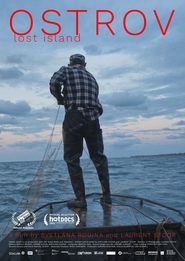
Ostrov - Lost Island
On the island of Ostrov in the Caspian Sea the inhabitants, left alone by the Russian state after the collapse of the Soviet Union, survive through poaching.
- 91
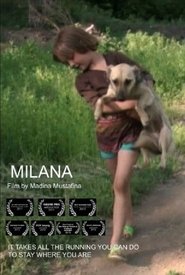
Milana
The film features the life of mother and daughter who live in the woods near the outskirts of little city in Kazakhstan. The life on the edge of civilization, making money by selling scrap metal. Other people’s everyday life exists somewhere far away.
- 92

Monumentomania
War is possible in a society to which it seems acceptable or natural. War monuments — statues, memorials and architectural ensembles, even churches — erected by the state to commemorate military figures and events play a huge role in desensitizing to war or open militarization. In Russia today, there are more than 4,500 monuments protected as cultural heritage; about 2,500 of them are dedicated to World War II; dozens, if not hundreds, of new monuments to the military people and wars have appeared in the last ten years.
- 93
Chronicles of revolution that didn't happen
The documentary follows Oleg, Andrey, and other long-distance truck drivers from all over Russia, who turned their outrage against the 2015 bill that required truckers to pay taxes when driving on federal roads into a 9 month long protest.
- 94
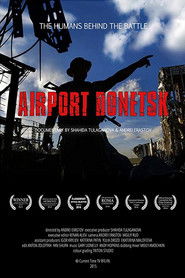
Airport Donetsk
The Donetsk Airport, Ukraine. Rebuilt in 2012, but now a scene of utter devastation - shortly after Russian-backed separatists have taken it over. Weaving together the voices of fighters on both sides supported by battle video, we tell an unvarnished story of war through the eyes of those who were there. The desperate fight for an airport whose capture seems more symbolic than strategic, they also show how human nature can adapt - in sometimes disturbing ways - when one's life is on the line.
- 95
There is No Death For Me
It is a documentary story about five legends of russian cinema: Nonna Mordyukova, Tatyana Okunevskaya, Tatyana Samoylova, Lidiya Smirnova and Vera Vasileva. These wonderful women tell about their lifes and careers in hour interview.
- 96
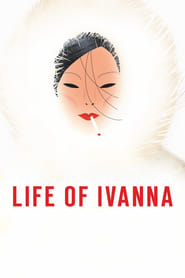
Life of Ivanna
A sensitive and intimate portrait of Ivanna, a nomadic reindeer herder in the Russian Arctic and mother of five small kids. Ivanna is forced to leave the traditional way of life and emigrate to the city, following her own dreams, due to the quickly deteriorating conditions of life in the tundra. We follow her life for several years.
- 97

Lisa, Go Home!
A crew of film-makers made the effort to record what reflects the generation gap between the little girl Lisa and the world of adults in her family
- 98
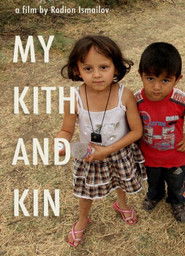
My Kith and Kin
Lolita is a bearer of two cultures, her mother is Russian, and her father is Azerbaijani. This is a subtle and piercing story about how a ten-year-old girl first travels to Azerbaijan to get acquainted with her father's parents. She wants to learn as much as possible about the traditions, culture and customs of her Azerbaijani relatives. Her first acquaintance with Azerbaijan is the subject of this documentary.
- 99

The Book of the Sea
In the frigid waters off of Russia’s Bering Strait, Inuit and Chukchi hunters today still seek out the giant sea mammals that have provided their people with food since time immemorial. It is known, that the whale hunting today is controversial and subject to international criticism and regulations. But the Inuit and Chukchi hunt is permitted by international law because of the whaling is the foundation of their culture and their life. The contemporary story of elders Aleksandr and Aleksei blends seamlessly with that of “the woman who gave birth to a whale” and other ancient myths, told here in vivid animation, in this ongoing struggle for survival and preservation of a traditional lifestyle in one of the most remote places on earth.
- 100
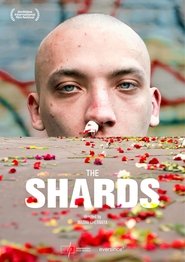
The Shards
In Spring 2022 Masha prepares to leave Russia — her homeland that has changed. It turns into a chain of unexpected farewells: her mom dies of cancer, her lover flees army conscription, everything including her own old self is falling apart. Her way to cope with the grief is to fixate everything with her camera. Her anger guides her to inner emigration to the local underground scene, which became an escape for young russians. This kaleidoscope of shards chronicles not only spirit of the time, but the director’s personality crumbling against the backdrop of global turmoil.